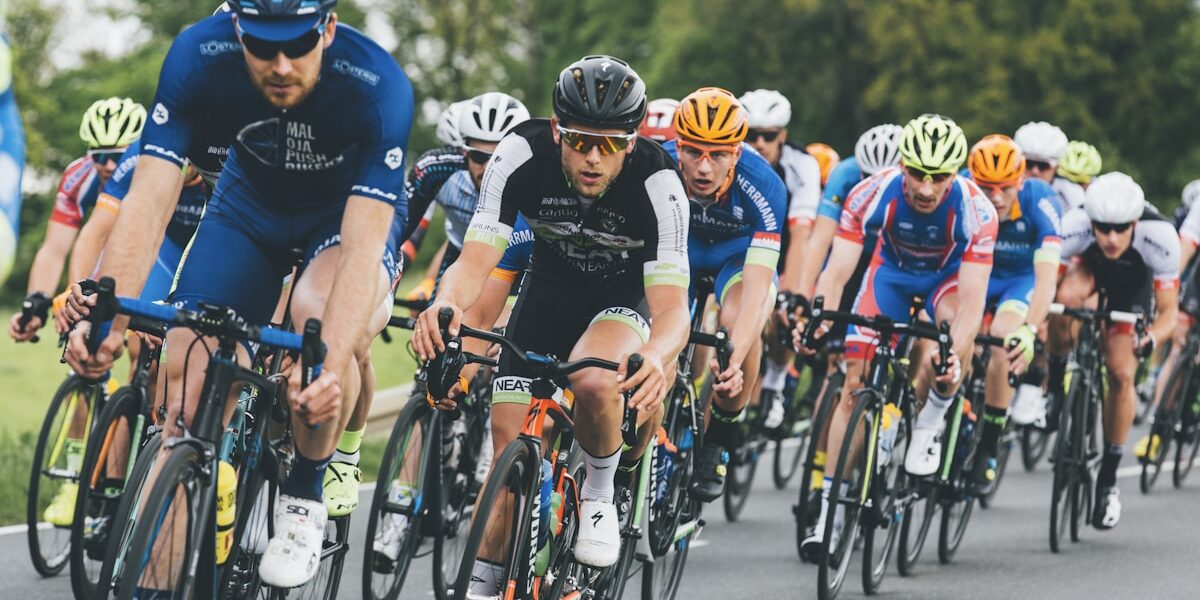
Ever wonder where those 40-million-euro team budgets actually go? It’s not all rider salaries – though that’s certainly a big chunk. Running a WorldTour cycling team is an incredibly complex logistical operation, and the spending breakdown reveals a lot about why some teams consistently outperform others.
The Big Picture: Total Team Budgets
At the top end, teams like INEOS Grenadiers and UAE Team Emirates are reportedly operating on budgets approaching 50-55 million euros annually. Visma-Lease a Bike isn’t far behind. Mid-tier WorldTour teams typically run on 25-35 million euros, while smaller squads scrape by on 15-20 million.
The disparity matters enormously. Money buys marginal gains, staff expertise, training camps in altitude, and the ability to attract top talent.
Rider Salaries: 60-70% of Total Budget
This is always the biggest line item. A top-tier WorldTour team with 30 riders might allocate 30-35 million euros purely for athlete contracts. Remember, you need depth: eight Grand Tour riders, classics specialists, sprinters and their leadouts, plus developmental talents on smaller deals.
The salary distribution within teams is highly uneven. One star like Pogacar might consume 15-20% of the entire salary budget himself, while 10 domestiques combined might represent another 10-15%.
Staff and Personnel: 10-15% of Budget
Modern WorldTour teams employ 80-120 staff members. Sports directors (3-5 per team), coaches, physiotherapists, doctors, nutritionists, soigneurs, mechanics, communications staff, and management all require salaries. Top sports directors earn 200,000-400,000 euros annually. Head coaches at elite teams can command similar figures.
This is where wealthy teams gain real advantages. INEOS can afford multiple world-class performance directors and sports scientists. Smaller teams might have one overworked coach handling responsibilities that INEOS splits among a dozen specialists.
Equipment and Bikes: 5-8% of Budget
Contrary to popular belief, teams don’t usually pay for bikes – they receive them from sponsors. However, teams do invest heavily in customization, backup equipment, and components not covered by sponsorships.
The bigger expense is maintaining and transporting equipment. Each team needs 100+ bikes available at any time, plus wheels, power meters, computers, and spares. Transport vehicles, equipment trucks, and logistics add substantially to costs.
Travel and Logistics: 8-12% of Budget
Here’s a number that surprises people: a single Grand Tour costs approximately 800,000-1,200,000 euros to contest when you factor in hotels, flights, vehicle rentals, hospitality, and personnel expenses for three weeks.
WorldTour teams might race 200+ race days across multiple continents annually. Flights alone can cost millions. Hotel rooms for 25+ personnel across a full racing calendar add up absurdly fast. Vehicle leases, fuel, and team buses are substantial ongoing expenses.
Training Camps and Altitude Facilities: 3-5% of Budget
Elite teams hold 3-6 major training camps annually, typically in warm-weather locations like Mallorca, Gran Canaria, or Tenerife. A two-week camp for 30 riders plus 20 staff easily costs 150,000-300,000 euros including flights, hotels, meals, and facility rentals.
Some teams like INEOS have invested in permanent altitude training facilities. Others rent time at facilities in Sierra Nevada, Font Romeu, or Livigno. Altitude chambers for home use cost 50,000+ euros per unit, and elite teams provide them to top GC contenders.
Technology and Data: 2-4% of Budget
Performance analysis software, data platforms, wind tunnel testing, aerodynamic development, and nutrition research all require investment. This is another area where budget disparities create performance gaps. INEOS reportedly runs its own nutritional research programs that smaller teams simply cannot afford.
Medical and Insurance: 2-3% of Budget
Comprehensive medical coverage for 30 professional athletes engaged in a high-crash sport is expensive. Teams maintain relationships with surgeons, sports medicine clinics, and rehabilitation facilities. Some riders have personal doctors on retainer.
Marketing and Hospitality: 2-5% of Budget
Sponsors expect activation opportunities: hospitality tents at major races, VIP experiences, content creation, and brand visibility beyond just kit sponsorship. Teams invest in communications staff, video production, and sponsor management to maintain relationships that keep the money flowing.
Where Teams Gain Edges
The difference between winning and losing Grand Tours often comes down to resources. Can you afford a nutritionist who travels with the team? Can your sports science department run real-time power analysis during races? Can you send scouts ahead to pre-ride crucial time trial courses? Money answers these questions, and in cycling’s marginal-gains era, those answers determine results.

Stay in the loop
Get the latest cyclingfan.org updates delivered to your inbox.