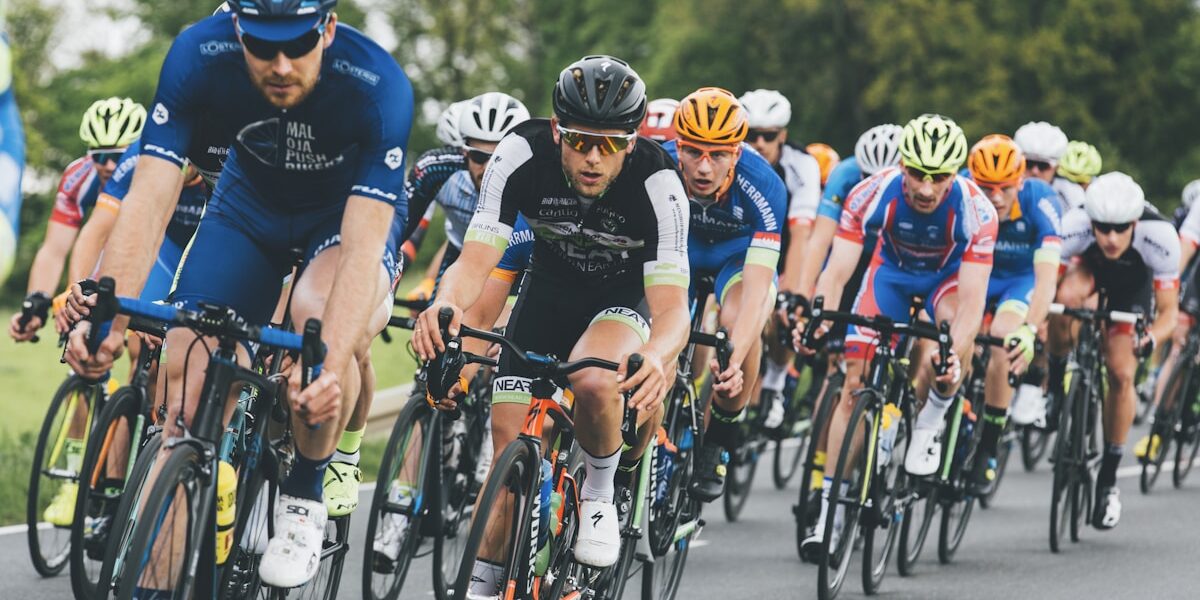
The groupset wars in professional cycling are about much more than shifting quality. Behind every rider’s drivetrain choice is a multi-million-euro sponsorship negotiation that shapes team budgets and, ultimately, race results. Let’s break down what Shimano, SRAM, and Campagnolo actually pay to have their components on WorldTour bikes.
The Big Three: Market Position and Strategy
Shimano dominates the WorldTour, sponsoring roughly 60-65% of teams. SRAM holds about 25-30%. Campagnolo, the Italian heritage brand, maintains a smaller but prestigious presence with 3-4 teams. Each company approaches sponsorship differently based on their overall business strategy.
Shimano: Volume and Reliability
Shimano typically doesn’t pay cash for sponsorships – instead, they provide equipment at no cost plus significant discounts for backup inventory. For major teams, this equipment provision can be worth 500,000-800,000 euros annually when you calculate the retail value of components consumed.
The appeal for teams is Shimano’s reliability and global service network. When a derailleur fails in rural Colombia or the Australian outback, Shimano parts are accessible. This matters enormously for teams managing logistics across hundreds of race days annually.
However, top teams with significant negotiating power have reportedly extracted cash payments from Shimano in addition to equipment. Teams like Lidl-Trek and EF Education-EasyPost likely receive supplemental funding, though exact figures remain closely guarded.
SRAM: Aggressive Growth Strategy
SRAM has been far more willing to pay cash for WorldTour placement. Industry estimates suggest SRAM pays between 1-3 million euros annually to sponsor top teams, on top of equipment provision. This aggressive investment has helped SRAM grow from a minority player to a genuine Shimano rival.
Teams like Visma-Lease a Bike, Red Bull-BORA-hansgrohe, and UAE Team Emirates run SRAM drivetrains – not coincidentally, these are among the sport’s wealthiest and most successful squads. SRAM’s willingness to pay premium rates attracted these teams, and their subsequent victories (Vingegaard’s Tour wins, Pogacar’s dominance) have validated SRAM’s investment brilliantly.
SRAM’s wireless electronic shifting (eTap AXS) has been particularly valuable for marketing purposes. Every time television coverage shows a rider shifting, the distinctive SRAM mechanism is visible – free advertising during the sport’s biggest events.
Campagnolo: Prestige Over Volume
Campagnolo operates differently than its Japanese and American competitors. As a smaller company with Italian cycling heritage, Campagnolo focuses on prestigious placements rather than volume. They sponsor fewer teams but choose carefully for brand alignment.
Teams like Lotto-Dstny and Q36.5 Pro Cycling run Campagnolo. The Italian company reportedly provides equipment plus modest cash payments in the 200,000-500,000 euro range. For Campagnolo, WorldTour presence maintains their premium market positioning for consumer sales.
Campagnolo’s Super Record wireless groupset has kept them technically competitive, though their smaller R&D budget compared to Shimano and SRAM means development cycles are longer.
Wheel and Component Sponsorships: Additional Revenue
Groupset deals often include wheels, but not always. Some teams run different wheel sponsors than groupset sponsors, creating additional revenue streams. A wheel sponsorship (Zipp, Roval, Enve) might add another 200,000-400,000 euros in value or cash.
Power meter sponsorships (Quarq, SRM, Stages) are typically separate deals worth 50,000-150,000 euros. Saddle and handlebar sponsors contribute smaller amounts.
Why Sponsorship Switching Is Rare
Teams rarely switch groupset sponsors because of mechanical familiarity and mechanic expertise. SRAM and Shimano drivetrains require different maintenance approaches. A team’s mechanic corps develops expertise with specific systems over years. Switching means retraining staff and accepting a period of reduced reliability.
Additionally, multi-year contracts lock teams in. Most groupset sponsorships run 3-4 years, limiting switching opportunities.
The Real Value Proposition
For teams, the groupset sponsorship decision involves more than cash. Reliability, weight, shifting performance under racing conditions, and service support all matter. SRAM’s higher payments are attractive, but if their drivetrains failed more frequently, teams would accept lower-paying Shimano deals for peace of mind.
The current market reflects genuine competitive parity. SRAM’s wireless systems offer convenience advantages. Shimano’s 12-speed Dura-Ace provides arguably superior mechanical performance. Campagnolo’s Super Record remains the choice for traditionalists. All three can win Grand Tours – and have.
Looking Ahead
Competition is intensifying. Shimano has responded to SRAM’s market gains by reportedly increasing cash payments to retain top teams. This bidding war benefits teams financially but could eventually strain manufacturer budgets. The groupset sponsorship landscape in 2030 may look quite different from today.


Stay in the loop
Get the latest cyclingfan.org updates delivered to your inbox.