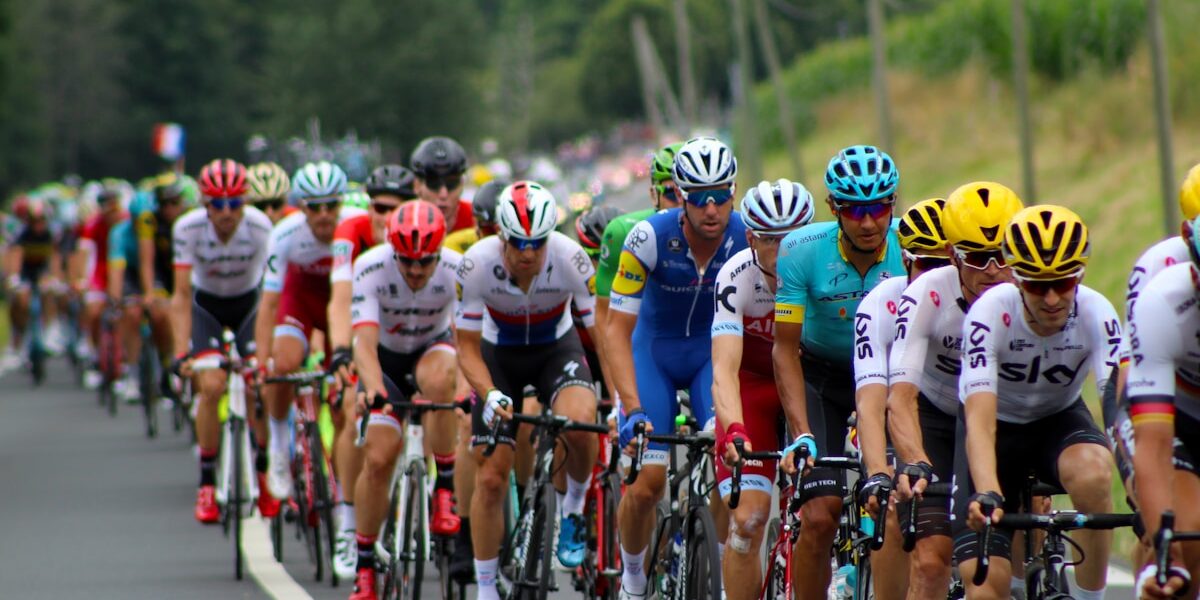
Let’s talk money. It’s the elephant in the peloton that nobody really discusses openly, but trust me, the salary disparities in professional cycling are absolutely wild. If you’ve ever wondered why domestiques sacrifice their bodies for GC leaders, the answer is pretty simple: those leaders are making 50 to 100 times more money.
The GC Contender Tier: Seven-Figure Salaries
At the very top, we’re talking about Tadej Pogacar reportedly earning around 6 million euros per year with UAE Team Emirates. Jonas Vingegaard? Somewhere in the 4-5 million range with Visma-Lease a Bike. Primoz Roglic commands similar figures at Red Bull-BORA-hansgrohe. Remco Evenepoel is believed to be in the 3-4 million bracket with Soudal-Quick Step.
These aren’t just salaries either. Top GC riders negotiate image rights, performance bonuses for stage wins and Grand Tour victories, and equipment deals that can add another 30-40% on top of their base contracts. When Pogacar wins the Tour de France, he’s pocketing an additional estimated 500,000 euros in bonuses alone.
The Mid-Tier: Classics Specialists and Sprint Stars
Riders like Mathieu van der Poel, Wout van Aert, and Jasper Philipsen occupy an interesting middle ground. They’re not winning Grand Tours, but their market value is enormous because of their versatility and popularity. Van der Poel is reportedly earning around 4 million euros – comparable to some GC contenders – because he wins Monuments and brings massive media attention.
Pure sprinters like Philipsen and Mads Pedersen typically earn between 1.5 and 2.5 million euros. They’re expensive to maintain (requiring dedicated leadout trains) but their stage-winning abilities justify the investment for sponsors seeking visibility.
The Domestique Reality: Unsung Heroes, Modest Paychecks
Here’s where it gets sobering. The minimum wage in the WorldTour is around 45,000 euros annually. Yes, you read that correctly. A neo-pro joining a WorldTour team might be earning less than a mid-level office worker while racing 80+ days per year, spending 200+ nights away from home, and literally risking their bodies in 200km races.
Experienced domestiques – the riders who spend six hours in the wind so their leader stays fresh – typically earn between 100,000 and 300,000 euros. Exceptional super-domestiques who can genuinely influence Grand Tours might push toward 500,000 euros, but they’re the exception.
Why Such Extreme Disparities?
Professional cycling operates on pure star economics. Sponsors pay for visibility and storylines. When Pogacar attacks on a summit finish and the cameras focus exclusively on him for 20 minutes, that’s worth infinitely more to UAE’s sponsors than the domestique who rode on the front for three hours earlier.
The gap is widening too. As outside investment floods the sport through teams like Red Bull-BORA and Lidl-Trek, top riders can command ever-higher salaries by threatening to join rival squads. Meanwhile, domestiques have limited leverage because dozens of riders can fill their role.
Performance Bonuses: The Hidden Income
Smart domestiques negotiate performance bonuses tied to their leaders’ success. If your GC captain wins the Tour, you might pocket an extra 50,000-100,000 euros. Some teams distribute Grand Tour prize money equally among all eight riders – a tradition that dates back decades.
Race appearance fees also matter for lesser-known riders. A domestique might earn an extra 2,000-5,000 euros for starting a Grand Tour, while top GC contenders can demand 50,000+ euros just to appear at a minor stage race.
The Reality Check
Professional cycling remains one of the lower-paying major professional sports relative to the physical demands involved. A backup point guard in the NBA earns more than Tadej Pogacar. The entire salary budget of most WorldTour teams is less than a single top soccer player’s annual wage.
But for cycling fans, understanding these economics adds context to every race. When you see a domestique emptying themselves on a mountain pass, remember: they’re not just racing for glory. They’re racing because their contract depends on their leader’s success. That desperation is part of what makes this sport so compelling.

Stay in the loop
Get the latest cyclingfan.org updates delivered to your inbox.