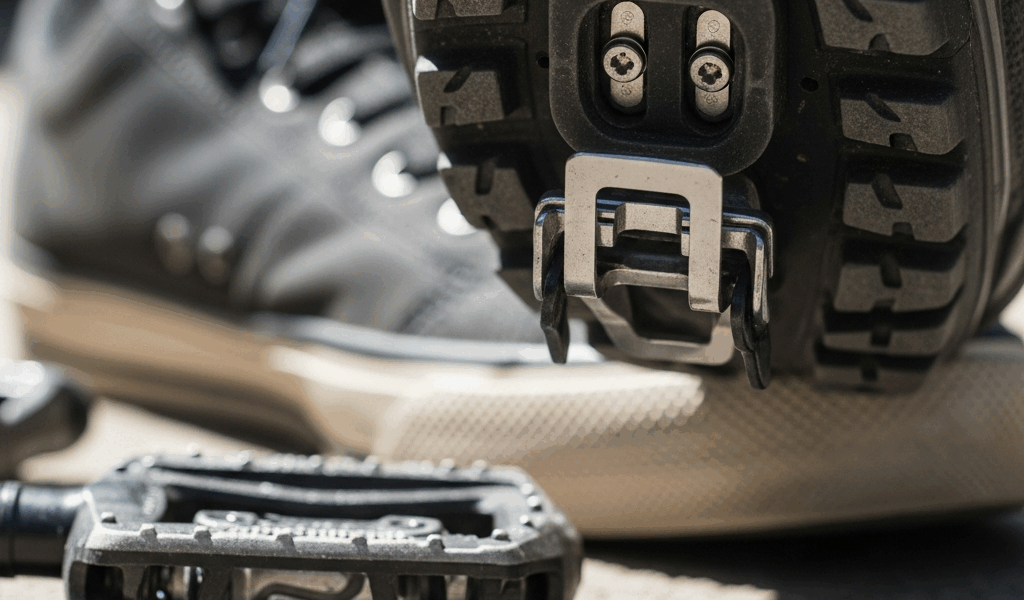
Why This Debate Has Gotten So Loud
The clipless vs flat pedals debate for road cycling has gotten complicated with all the tribal noise flying around. And honestly, it’s not really about pedals at all. It’s about confidence, control, and whether you’re ready to commit your feet to the bike — full stop. Every new road cyclist hits this crossroads eventually. And almost every experienced rider at your local club will wave their hand and say just go clipless, like it’s obvious. It isn’t. There are real efficiency gains with clipless, sure. But there’s also a learning curve, a falling risk, and a genuinely solid case for flat pedals depending on how you ride and why. Nobody should be pressuring you into a system before you’re ready. So, without further ado, let’s dive in.
What Clipless Pedals Actually Give You on the Road
As someone who tipped sideways at a red light in front of a full queue of cars during week three with Shimano SPD-SL pedals, I learned everything there is to know about the clipless learning curve the hard way. Today, I will share it all with you.
What clipless pedals actually change isn’t raw power output — it’s connection. Your foot stays exactly where it needs to be on the platform, every stroke, without any conscious thought. That matters more than people give it credit for.
The main advantages are real, though worth qualifying:
- Power transfer — Your foot doesn’t slip or drift mid-stroke. That consistency compounds on longer rides in ways it simply doesn’t on short ones.
- Pedal stroke efficiency — You can apply force through more of the stroke, including the pull phase. The gains aren’t dramatic — studies generally show single-digit percentage improvements — but across 60 miles, that quietly adds up.
- Foot security — Wet roads, hard efforts out of the saddle, sprinting for a town sign. Your foot isn’t going anywhere.
The honest downside? Traffic lights. This is where new riders come unstuck — literally. Unclipping before you stop sounds trivial until the moment you forget, drift sideways at 0 mph, and clip your elbow on the tarmac. I did exactly this outside a coffee shop. Bruised ego. Small tear in a brand-new pair of bib shorts. Don’t make my mistake — practice clipping out obsessively on a quiet street before you go anywhere near traffic.
Most committed road cyclists do make the switch eventually, and most say they’d never go back. But “eventually” is carrying a lot of weight in that sentence. There’s no rule that says you start there.
Entry-level options like the Shimano PD-RS500 (around $40) or the Look Keo Easy (around $35) keep the cost manageable while still giving you a proper first clipless experience.
When Flat Pedals Make More Sense Than You Think
Probably should have opened with this section, honestly — because a lot of people reading this came here specifically to find out whether they’re wrong for preferring flats. You’re not.
Flat pedals get dismissed constantly in road cycling circles. That dismissal is unfair, and it’s worth saying plainly: flat pedals are not a beginner badge you’re supposed to graduate out of.
But what is a flat pedal, really? In essence, it’s a wide, grippy platform your foot sits on without any mechanical attachment. But it’s much more than that — it’s freedom of movement, instant dismount capability, and zero anxiety at a red light.
There are specific situations where flats are genuinely the smarter call:
- Urban commuting — Stop-start traffic, frequent dismounts, needing to walk normally at the other end. Clipless shoes on a daily commute are an exercise in frustration.
- Casual and fitness riding — Riding two or three times a week for health and enjoyment rather than performance? The clipless learning curve may deliver more stress than it ever returns in benefit.
- Riders still building handling skills — Learning to corner, brake, and weight the bike properly is genuinely harder when you’re also managing clip anxiety. Nailing the fundamentals first is a legitimate strategy — not a consolation prize.
- Touring and loaded riding — Walking into a restaurant in normal shoes matters when you’re three days into a multi-day trip.
Some experienced riders choose flats deliberately. Gravel and endurance athletes run them on technical terrain where quick foot-down moments can save a crash. This isn’t a beginner-only conversation — that’s what makes flat pedals endearing to us practical riders who actually think about the full picture.
A quality flat like the Shimano PD-GR500 (around $45) or the Crankbrothers Stamp 1 (around $40) gives you a genuinely grippy, solid platform that holds up for everything outside of competitive racing.
The Real Differences Side by Side
Here’s a direct comparison across the factors that actually matter:
| Factor | Clipless Pedals | Flat Pedals |
|---|---|---|
| Efficiency | Marginally better on longer efforts | Sufficient for most riding |
| Safety at stops | Real topple risk until technique is second nature | Step off anytime — no technique required |
| Cost (pedal + shoes) | $80–$200+ depending on system | $30–$60 for pedals, any shoe works |
| Walkability | Awkward — cleat wear is a genuine annoyance | Walk anywhere, no problem |
| Versatility | Dedicated cycling shoes required | Any shoe, any situation |
| Performance ceiling | Higher for competitive riding | Lower — but not by as much as forums claim |
The table looks like a clean split. The reality is messier. The efficiency gap between clipless and flat pedals is smaller than most online forums will tell you. The safety gap at stops is larger than most clipless advocates will admit. Context is everything — and most people giving advice online are optimizing for their context, not yours.
Which One Should You Actually Start With
No more hedging. Here’s where I land based on where you actually are as a rider.
Complete Beginner — Start With Flats
Frustrated by conflicting advice and feeling pressure from riders with more miles on their legs, many beginners clip in before they’re remotely ready and spend their early rides anxious instead of learning. If cornering, traffic, or descending still require conscious effort — flat pedals let you focus on those skills without the added weight of clip anxiety. Ride flats for three to six months. The clipless transition will be faster, easier, and a lot less terrifying when you’re actually ready for it.
Fitness or Casual Rider — It Depends on Your Route
Mostly urban riding, frequent stops, or sessions under 45 minutes? Flats are a completely legitimate long-term choice — full stop. Longer weekend routes on open roads with solid bike handling already in place? Clipless pedals will start paying back their learning curve. The Shimano SPD system might be the best option here, as this type of riding requires walkability alongside road efficiency. That is because SPD uses a recessed cleat — originally designed for mountain biking — that lets you walk normally, unlike traditional SPD-SL cleats that have you shuffling around like you’re wearing ski boots.
Committed Road Cyclist — Go Clipless
Logging regular miles, chasing sportive distances, riding with a group on weekend mornings. Clipless pedals are worth learning at this point. The foot security and stroke consistency genuinely matter. Set aside two or three sessions on quiet roads specifically to practice clipping out before you stop — repetition kills the anxiety faster than you’d expect. I’m apparently a slow learner and the Shimano SPD-SL system works for me now while the Look Keo system never quite clicked. Try before you commit if you can.
Pick one system based on who you are right now. Not who you plan to be in six months. Start riding.

Stay in the loop
Get the latest cyclingfan.org updates delivered to your inbox.