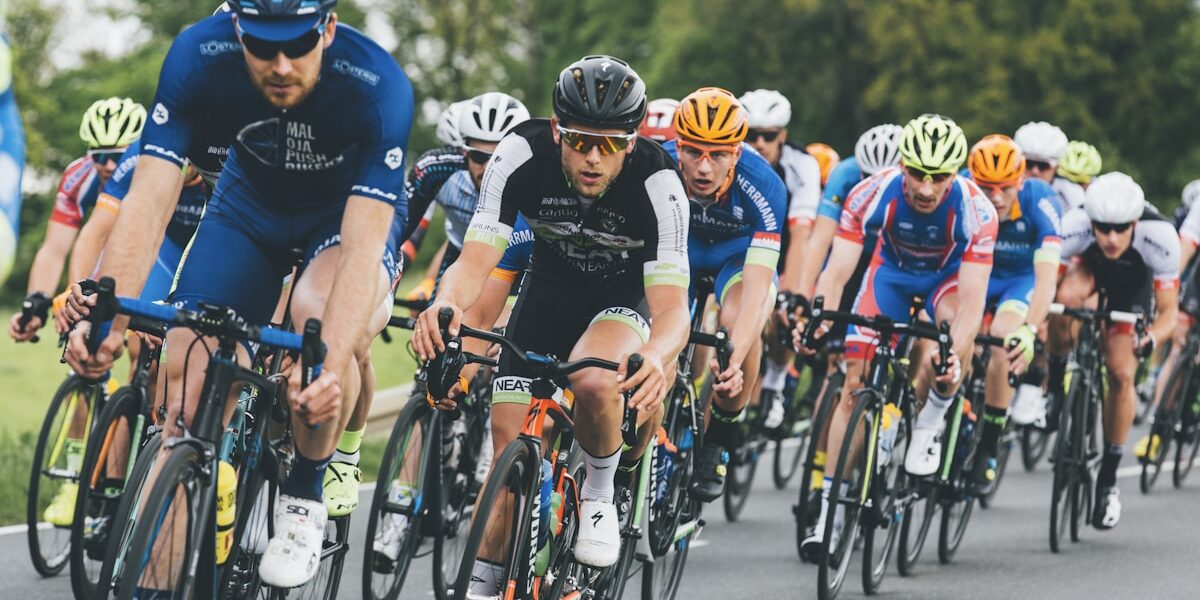
Riding at night requires proper lighting for safety and visibility. Mountain bikers face additional challenges navigating trails in darkness. The right lights make night riding possible and enjoyable.
Lumens Matter
Light output is measured in lumens. Commuter lights might run 200-500 lumens. Trail riding demands 1000+ lumens to see obstacles in time. Brighter costs more and drains batteries faster.
Beam Pattern
Flood beams illuminate wide areas for trail awareness. Spot beams throw light far for speed. Many lights offer both modes or combine patterns. Trail riding typically benefits from wider beams.
Mounting Options
Handlebar mounts work well for general illumination. Helmet mounts let you point light where you look. Serious night riders use both together. The combination covers more situations.
Battery Life
Runtime varies with brightness settings. High mode might last an hour; low mode might last four. Know your ride duration and plan accordingly. Carry backup lights on longer rides.
Rechargeable vs Disposable
Rechargeable lights dominate the market now. USB charging is convenient. Some high-end systems use separate battery packs for extended runtime. Disposable batteries work as emergency backup.
Weather Resistance
Night riding often involves dew, fog, or rain. IPX ratings indicate water resistance. Higher ratings mean more protection. Cheap lights may fail when conditions deteriorate.
Quality Brands
NiteRider, Light & Motion, Lezyne, and others build reliable systems. Premium lights cost more but last longer and perform better. Your safety depends on the light working when needed.


Stay in the loop
Get the latest cyclingfan.org updates delivered to your inbox.