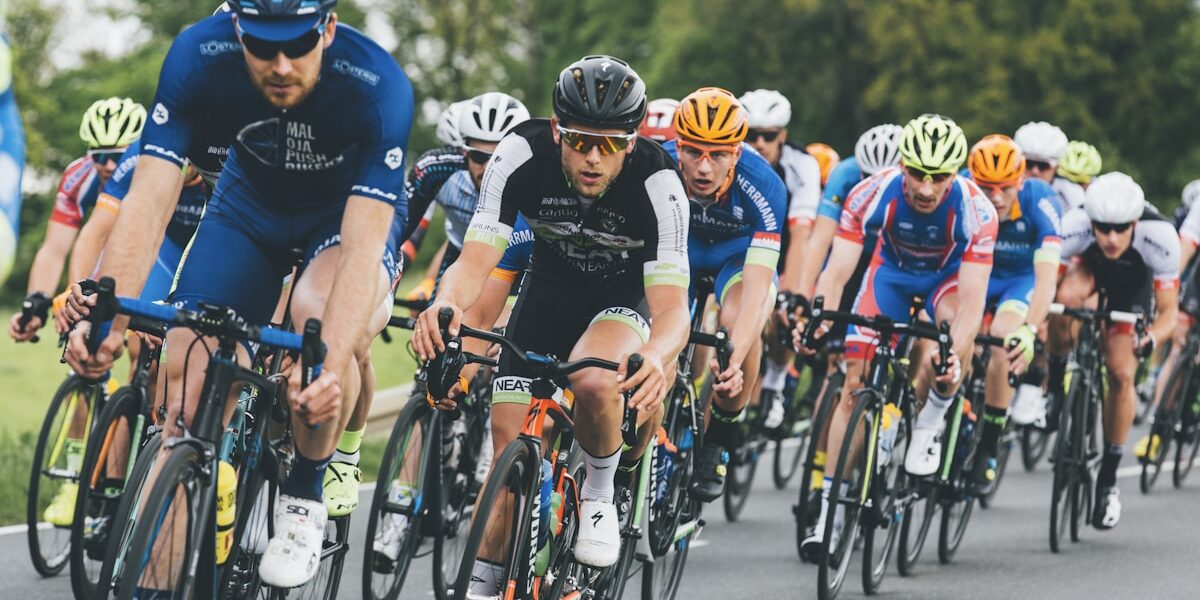
Your First Road Bike (Without The Overthinking)
Buying a first road bike has gotten overwhelming with all the categories and specs and internet opinions flying around. As someone who sold bikes in college and now helps friends pick their first one about twice a year, I learned what actually matters versus what is just marketing. Today I will share the straightforward version so you can start riding instead of researching forever.
The Only Question That Matters First
What will you actually use it for? Be honest with yourself here. Fitness riding on weekends? Commuting to work? Group rides with that friend who keeps bugging you? Training for events eventually?
Each answer points toward slightly different bikes. But here is the shortcut: if you are not racing competitively, an endurance-style road bike with comfortable geometry handles all of those scenarios. Start there and get specific later when you know more about what you like.
Frame Material Reality Check
Aluminum is what you can afford. Carbon fiber is what marketing tells you to want. Steel is what old-timers love and you probably do not care about yet.
For a first bike, aluminum makes sense. It is stiff, reasonably light, and the money you save goes toward better components that actually affect how the bike shifts and brakes. I would rather have an aluminum bike with good gears than a carbon frame with budget parts. Probably should have led with this advice, honestly.
Components That Actually Matter
The shifty bits – what the industry calls the groupset – determine how smoothly your bike changes gears and how reliably it brakes. Shimano Tiagra or SRAM Apex are the sweet spot for beginners. Functional, reliable, not crazy expensive.
Shimano 105 is often called the entry point for serious cycling, and that is fair. It is genuinely nice to use. But Tiagra gets you 90 percent of the way there for significantly less money. Your legs will give out before your groupset becomes the limiting factor.
Gearing For Reality
Get a compact crankset with lower gears unless you already know you are strong on climbs. Nothing discourages new riders faster than grinding up hills in a too-high gear while your legs burn and your lungs scream.
A compact crank and an 11-32 cassette handles most terrain. Flatter areas work fine. Hills become manageable instead of miserable. You can always swap to harder gearing later if needed.
Brakes: Just Get Disc
Rim brakes work and are cheaper. Disc brakes work better, especially in rain, and require less hand strength to stop. If your budget allows it, get disc brakes. You will not regret it the first time you ride in wet conditions.
I am apparently one of those people who immediately notices brake performance, and switching to disc changed how confident I feel on descents. Rim brakes are fine, but disc is genuinely better.
The Fit Conversation
That is what makes proper bike fit endearing to us – riding a bike that fits correctly versus one that does not is the difference between wanting to ride more and dreading every minute. Size matters more than any component choice.
Visit an actual bike shop and try sizes. Walk in knowing your height and inseam measurement, but trust how the bike feels more than the numbers. A good shop helps you find the right size without pressure to overspend.
Budget Reality
New bikes worth buying start around $800-1000 and get genuinely nice at $1200-1500. Below that price point, quality drops sharply and you end up replacing parts quickly. Above $2000, you are paying for racing performance most beginners will not need.
Used bikes offer value if you know what to look for or bring someone who does. Last year’s model on sale is another smart play – same bike, lower price because a newer color exists now.
Brands That Consistently Deliver
Giant, Trek, Specialized, and Cannondale all make reliable beginner bikes. Any of them would serve you well. Pick based on what your local shop stocks and services – dealer relationship matters for adjustments and maintenance down the road.
If you want to save money, online-only brands like Canyon or Ribble sell directly and skip markup. The tradeoff is no local support and you better get the size right since returns are a hassle.
What Else You Need Immediately
Helmet. Non-negotiable. Spend $50-100 on one that fits and meets safety standards.
Floor pump for home. The mini pumps are for emergencies only – a proper floor pump with a gauge makes inflating tires easy and accurate.
Basic toolkit or multi-tool. Flat tires happen. Learn to change a tube before you need to.
Lights if you might ever ride at dusk or dawn. And a lock if you might ever leave it somewhere.
Skip These For Now
Clipless pedals. Start with flat pedals and regular shoes until you are comfortable handling the bike. Clipping in adds complications you do not need while learning.
Cycling shoes and specialized clothing. Comfortable athletic wear works fine initially. Buy kit as you ride more and identify what you actually want.
Power meters, computers, heart rate monitors. Useful eventually, distracting at first. Ride by feel until you have a reason to train with data.
One Final Thought
The best first bike is one you actually ride. Do not overthink the spec sheet. Get something decent, start pedaling, and upgrade components or buy a nicer second bike once you know what you want. Every experienced cyclist I know has a story about their first bike being kind of wrong, and they learned anyway.
Recommended Cycling Gear
Garmin Edge 1040 GPS Bike Computer – $549.00
Premium GPS with advanced navigation.
Park Tool Bicycle Repair Stand – $259.95
Professional-grade home mechanic stand.
As an Amazon Associate, we earn from qualifying purchases.

Stay in the loop
Get the latest cyclingfan.org updates delivered to your inbox.