Watching professional cycling can feel like observing chess played at 50 kilometers per hour – except the pieces are breathing hard and occasionally crashing. If you’re new to the sport and struggling to understand why 180 riders seem to move as a single organism before suddenly exploding into chaos, this breakdown is for you.
The Breakaway: Strategic Sacrifice or Genuine Opportunity?
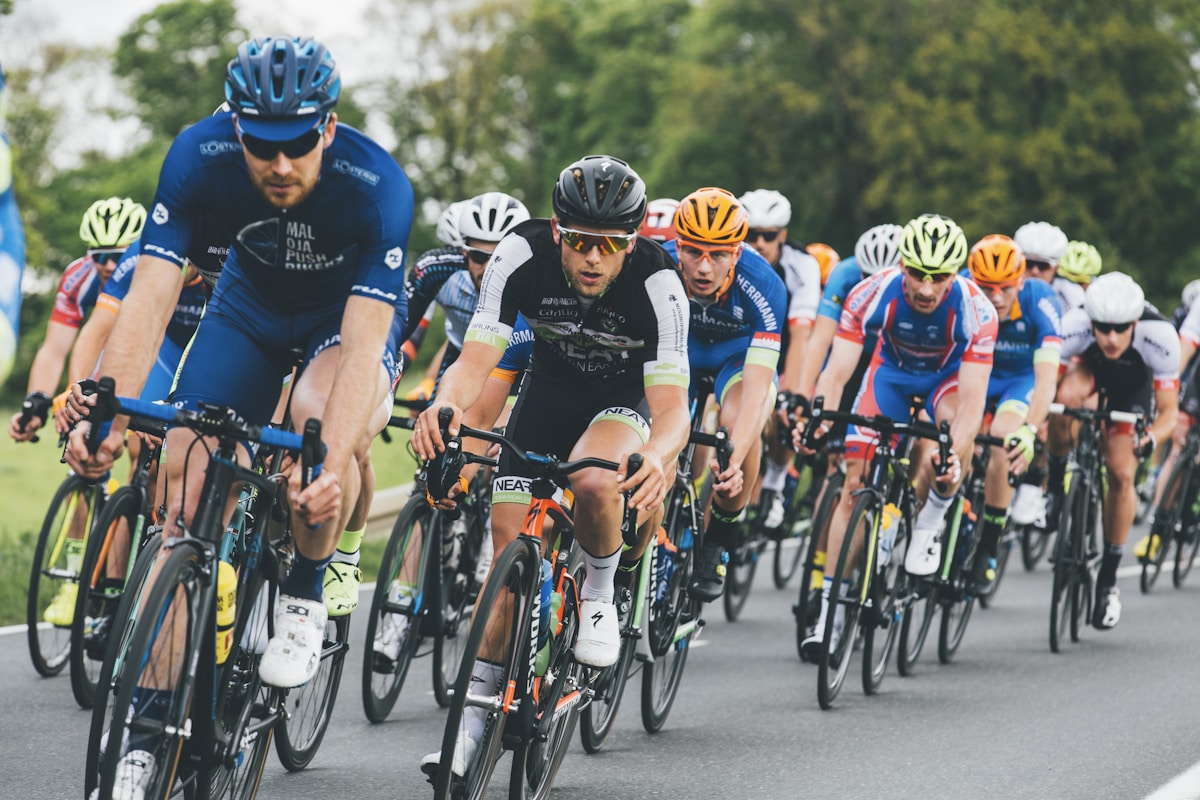
Almost every road stage features a breakaway – a small group that rides ahead of the main peloton, sometimes by 10-15 minutes. But here’s the thing new fans miss: most breakaways are designed to fail.
Teams allow breakaways because they serve multiple purposes. Sponsors get television time. Riders without overall ambitions can showcase themselves for future contracts. The peloton can ride at a more sustainable pace.
The key question is always: who is in the break? If it’s all riders from minor teams who pose no threat to the race leader’s classification, the leader’s team will let them go. If a dangerous rival is in the move, expect aggressive chasing.
Breakaway success depends on the gap at the final climb or final 30 kilometers. If the break has five minutes with 50 kilometers remaining, they’re probably caught. If they have five minutes with 15 kilometers remaining, at least one rider is likely winning the stage.
Leadout Trains: Choreographed Chaos
Sprint finishes are cycling’s most organized chaos. In the final five kilometers, sprint teams form “trains” – organized lines of domestiques who take turns riding maximum effort on the front while their designated sprinter sits in the slipstream.
A typical leadout sequence: at 3 kilometers to go, the train is 5-6 riders long. Each rider pulls at the front for 15-30 seconds, then pulls aside exhausted. By the final kilometer, only 2-3 riders remain ahead of the sprinter.
The final leadout man – often the highest-paid domestique on the team – delivers the sprinter to approximately 200 meters to go at maximum speed. Then the sprinter launches.
What makes this difficult: multiple sprint trains are fighting for position simultaneously. Teams jockey to control the front, sometimes dangerously. Crashes frequently occur in the final 3 kilometers as 180 riders funnel into narrowing roads at 70 kph.
The Crosswind Echelon: Cycling’s Great Separator
Crosswinds are the most misunderstood peloton killer. When wind comes from the side, riders can only shelter each other in diagonal lines called echelons. The problem: each echelon only fits about 10-15 riders across the road.
If you’re rider number 16, you’re in a second echelon with a gap. If the first echelon accelerates, that gap grows. Within minutes, a 180-rider peloton can shatter into 8-10 groups spread across several kilometers.
Strong teams cause echelon splits deliberately by attacking when crosswinds hit. This requires positioning: being near the front when the road turns into the wind. GC contenders must have teammates surrounding them to hold position.
The 2015 Tour de France stage to Zeeland saw Chris Froome’s Sky team split the race in crosswinds, gaining minutes on distracted rivals. That stage arguably won Froome the Tour.
Mountain Tactics: Pacing vs. Attacking
Mountain stages present a fundamental strategic choice: control the pace or attack?
Pacing teams (INEOS style) use domestiques to set a high, steady tempo on climbs. This discourages attacks because any attacker must exceed an already-painful pace. It protects leaders who may not have the explosive power to follow accelerations.
Attacking teams (UAE and Pogacar style) prefer lower early pacing followed by explosive accelerations. This favors riders with anaerobic power who can produce 600-800 watt surges that shatter rivals.
The best climbers can do both – sustain high power and respond to attacks. But tactics often favor one approach, and teams build rosters accordingly.
Bonus Seconds and Intermediate Sprints
Grand Tours award bonus seconds at stage finishes (10-6-4 for top three) and intermediate sprints (3-2-1). These matter enormously.
In a close GC battle, a rival might attack not for the stage win but specifically to gain bonus seconds. If Vingegaard leads Pogacar by 8 seconds, Pogacar needs only to beat Vingegaard across three stage finishes to flip the lead through bonuses alone.
This is why GC contenders sometimes sprint for seemingly meaningless intermediate points. Every second counts.
Reading Race Situations
With practice, you’ll start noticing patterns: nervous movement near the front means something is about to happen. Teams massing together are preparing for crosswinds or a planned attack. A GC contender suddenly moving forward means they sense opportunity.
The peloton speaks in body language. Learning to read it transforms cycling from a confusing crowd of jerseys into the tactical chess match it truly is.



Stay in the loop
Get the latest cyclingfan.org updates delivered to your inbox.