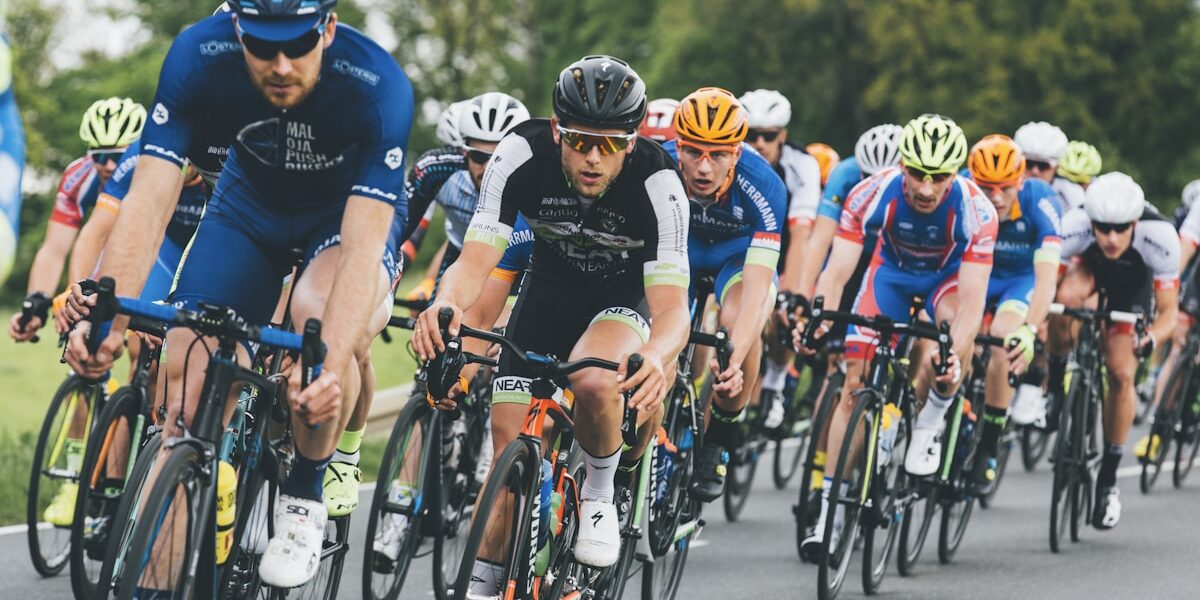
Road bike options have gotten complicated with all the carbon fiber marketing and spec sheet debates flying around. As someone who has ridden and obsessed over road bikes for years, I’ve dug deep into what actually matters in a high-performance frame. Today, I’ll share what I know about the Cannondale SuperSix Evo.
Cannondale SuperSix Evo: A Deep Dive
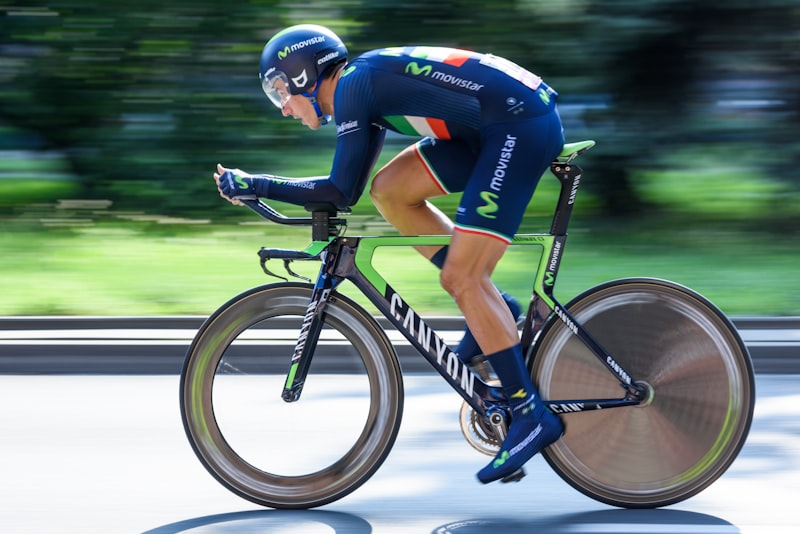
But what is the SuperSix Evo, really? In essence, it’s Cannondale’s flagship climbing and all-around road bike. But it’s much more than that — it’s a platform they’ve been iterating on since 2011, and each generation has made the previous one look like a rough draft.
Early Beginnings and Evolution
Frustrated by the limitations of existing race bikes, Cannondale debuted the SuperSix Evo in 2011 using their proprietary BallisTec carbon layup. The name “SuperSix” came from the bike that preceded it, which was already a respected race platform. This new idea took off almost immediately in the peloton and eventually evolved into the bike serious cyclists know and covet today.
The early versions were lighter than almost anything else available at the time. Subsequent generations focused on aerodynamics — not at the expense of weight, but in addition to it, which is the harder engineering problem to solve.
Design Philosophy
Every tube shape in the SuperSix Evo is earning its keep. The truncated aerofoil tube profiles are the most visible expression of this — they cut through air efficiently without the handling trade-offs that come with fully aero designs. The result is a bike that feels fast on flat roads and doesn’t become a liability on climbs or in crosswinds.
Cannondale’s carbon layup process is worth understanding here. They orient fibers to maximize stiffness where you need it (bottom bracket area, headtube) while allowing controlled flex where you benefit from it (seatstays, fork). The difference between a well-executed layup and a mediocre one isn’t visible — it’s felt over hours in the saddle.
Technological Innovations
The BallisTec Carbon Construction uses high-strength fibers and advanced resins that Cannondale developed with aerospace composite techniques. High impact resistance plus stiffness is normally a trade-off; they’ve largely solved it here.
- Integrated Design: The SuperSix Evo features an integrated wheel sensor that provides accurate speed, route, and distance information while also monitoring service intervals. Clean integration means no awkward clamps or exposed wiring.
- Aerodynamic Efficiency: Wind-tunnel testing reduced drag by up to 30% compared to previous-generation models. Over a 100-mile ride, that translates to meaningful time savings and energy conservation.
- SAVE Rear Stay Technology: The micro-suspension in the rear stays absorbs road vibration without sacrificing power transfer. You feel smoother on chip-seal and chip-and-seal roads, and your hands and lower back feel it over long days.
Specifications and Build Options
The SuperSix Evo lineup spans a wide range, from entry-level carbon builds to full race-spec configurations:
- Frame Material: High-Modulus BallisTec Carbon
- Brake System: Disc brakes across the lineup, providing superior stopping power in wet conditions
- Groupsets: Shimano Ultegra and SRAM Red eTap AXS at the top end, 105 on the more accessible builds
- Wheel Options: Lightweight carbon wheels on higher-spec builds; alloy on entry-level
The customization options are more useful than they often appear in marketing. Riders with longer torsos, shorter arms, or specific fit needs can spec a build that fits properly rather than adapting to what’s on the shelf.
Performance on the Road
The SuperSix Evo’s personality comes through most clearly on mixed terrain. It’s quick on flats, efficient on climbs, and doesn’t feel nervous in descents — which is a balance that’s harder to achieve than it sounds. The stiff bottom bracket ensures power transfer is direct; you push down and the bike moves. Cornering is precise enough that experienced riders can push into turns confidently.
The SAVE rear stay system earns its place on longer rides. Roads that would leave you stiff and fatigued on a stiffer frame are merely roads on the SuperSix Evo. It’s one of those features that doesn’t seem important until you’ve ridden without it for comparison.
Target Audience
This bike suits road cyclists who race, ride sportives, or simply want a bike that won’t limit them. Amateur cyclists can appreciate the lightweight and responsive nature without needing to be professionals to get value from it. The versatility covers road racing, triathlon, and long-distance endurance riding.
Maintenance and Durability
Carbon frames require a different maintenance mindset than aluminum — less about regular structural maintenance and more about periodic inspection:
- Routine Checks: Inspect the frame at stress points (bottom bracket shell, headtube junction, seatstay attachment) after significant impacts or crashes
- Cleaning: Keep it clean, particularly around the drivetrain where grit accelerates wear on expensive components
- Part Replacement: Use genuine or equivalent-quality components — the frame is designed around specific tolerances
Competitive Landscape
The Trek Emonda and Specialized Tarmac are the closest competitors, and honestly the comparison is close enough that you shouldn’t choose purely on specs. Ride them if you can. What separates the SuperSix Evo for many riders is the SAVE rear suspension system and the overall ride quality on rough roads — it’s a more comfortable fast bike than either direct competitor.
User Reviews and Feedback
Cyclists who spend time on the SuperSix Evo consistently mention the balance between stiffness and road compliance. The aerodynamics feel meaningful without the handling compromises you’d find on a dedicated aero bike. The main caveat noted in reviews is the price — top-end builds are expensive. Most reviewers conclude the investment is justified, but it is genuinely a significant purchase.
The Cannondale SuperSix Evo has been a benchmark in road cycling for over a decade because Cannondale has kept iterating on it rather than coasting on reputation. Each generation earns its place rather than just carrying the name forward.
Recommended Cycling Gear
Garmin Edge 1040 GPS Bike Computer – $549.00
Premium GPS with advanced navigation.
Park Tool Bicycle Repair Stand – $259.95
Professional-grade home mechanic stand.
As an Amazon Associate, we earn from qualifying purchases.




Stay in the loop
Get the latest cyclingfan.org updates delivered to your inbox.