Benefits of Daily Biking
Biking has gotten a bit lost in all the fitness trend noise. As someone who came to it as a commuter first and a fitness tool second, I ended up learning more about what it actually delivers than I expected. Today I’ll share what cycling has genuinely done for me — and what the research backs up.
Improved Physical Health
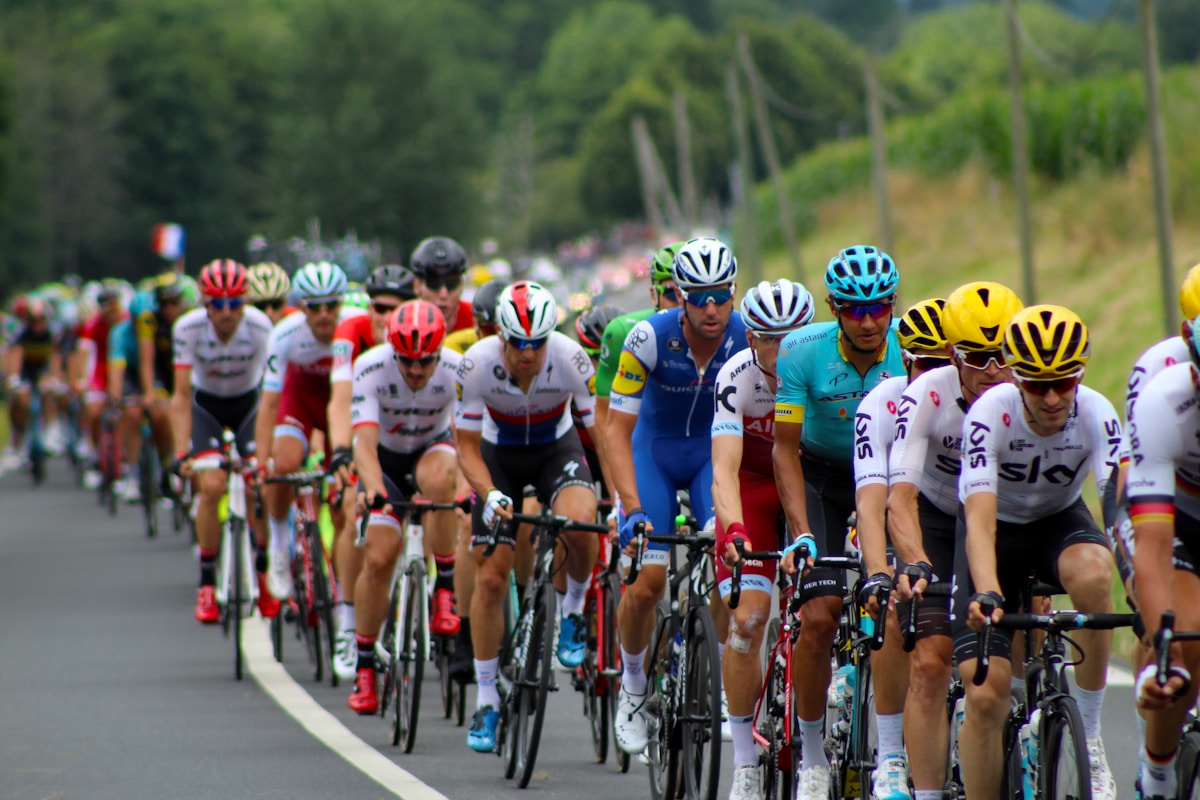
Cycling works your cardiovascular system harder than most people expect from something that doesn’t feel like suffering. The low-impact nature means you can sustain it longer than running, which adds up to more total work per session. Your heart, lungs, and legs all improve together in a way that transfers to daily energy levels. I’m apparently someone who needs exercise that doesn’t feel like a punishment to stick with it — cycling never felt like that.
The weight management angle is real but overstated in some circles. Cycling burns significant calories during longer rides, and building leg muscle raises your resting metabolic rate. Neither effect is magic. But combined with basic diet awareness, consistent riding does move the needle on body composition in ways that the scale doesn’t always capture immediately.
Mental Health Boost
The endorphin release from moderate-intensity cycling is well-documented. What’s less discussed is the cumulative effect of having a reliable pressure valve — somewhere to go when you need to burn off stress. The rhythmic nature of pedaling is almost meditative, and outdoor rides add the environmental input that indoor exercise doesn’t replicate. I’ve solved problems on bikes that I couldn’t solve sitting at a desk. There’s something about the combination of movement, fresh air, and mild physical challenge that unsticks thinking.
Environmental Impact
Replacing car trips with cycling has a straightforward environmental math. No tailpipe emissions, minimal infrastructure wear, no parking footprint. For short urban trips — the under-five-mile range where cars spend enormous time warming up relative to travel time — bikes are genuinely faster in most cities when you account for parking. The shift from driving to cycling at a community scale changes what a city can look like: bike lanes take a fraction of the road space that car lanes require for equivalent throughput of people.
Economic Savings
The numbers on car ownership are brutal when you lay them out: fuel, insurance, registration, maintenance, parking, and the depreciation that happens whether you drive it or not. A quality commuter bike paid off against those costs in months for me, not years. Even factoring in occasional maintenance and gear, cycling as a primary transportation mode is financially transformative compared to car dependence. That’s before counting the gym membership it replaced.
Convenience and Accessibility
Predictable travel times are an underappreciated benefit. A car commute might take 20 minutes or 45 minutes depending on traffic. A bike commute takes the same time every day, which simplifies scheduling in ways that compound over a week. In congested urban areas, bikes can take routes that cars cannot — cutting through parks, using bike paths, parking directly at the destination. That’s what makes cycling endearing to urban commuters — it converts dead waiting time into productive exercise time.
Social Benefits
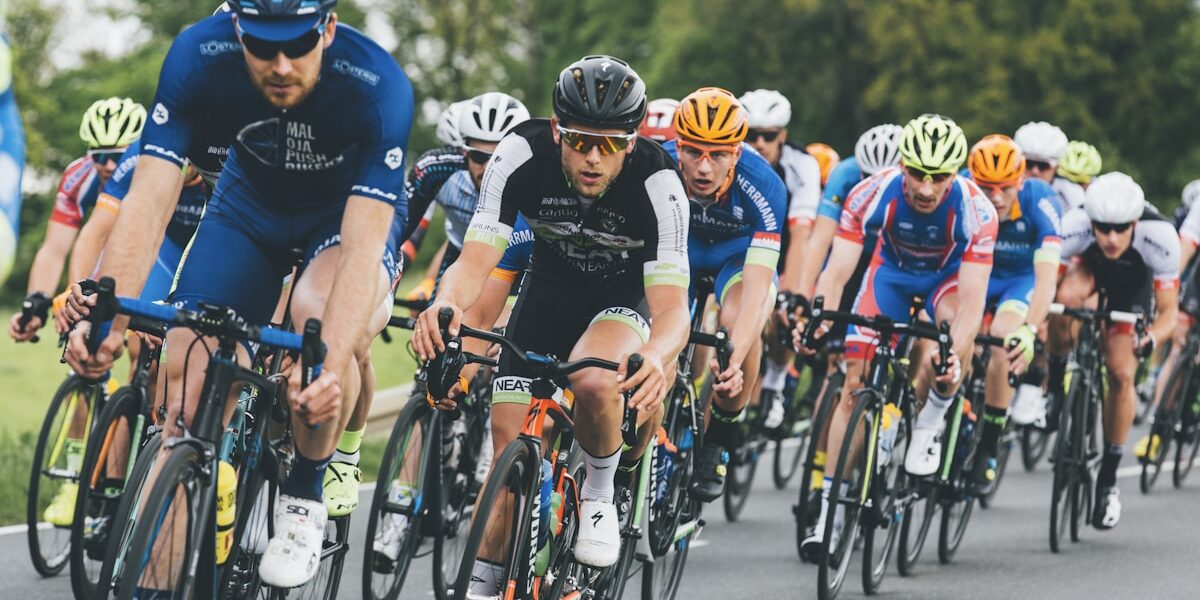
Cycling clubs exist in almost every city and most towns of any size. They range from competitive racing teams to casual weekend coffee ride groups. Joining one changes the experience entirely — routes you wouldn’t find on your own, mechanical knowledge that flows freely, and the accountability of people who expect to see you on Saturday mornings. Bike events draw communities together around something physically demanding but accessible across ages and fitness levels in a way few sports manage.
Enhanced Mobility
For people without reliable car access, cycling provides independence that other transportation modes don’t offer on the same schedule or budget. Improving bike infrastructure — adding lanes, securing parking, building networks that connect neighborhoods — has measurable effects on economic participation and quality of life for people who rely on non-car transportation. It’s not just a sport or a fitness tool; at scale, cycling infrastructure changes who can access employment, healthcare, and education.

Stay in the loop
Get the latest cyclingfan.org updates delivered to your inbox.