
MTB body armor has gotten complicated with all the CE ratings and protection level marketing flying around. As someone who has taken some memorable falls and gradually learned what gear actually matters, I’ve put together what I know about protecting yourself on the trail. Today, I’ll share it all.
MTB Body Armour: Essential Protection for Every Rider
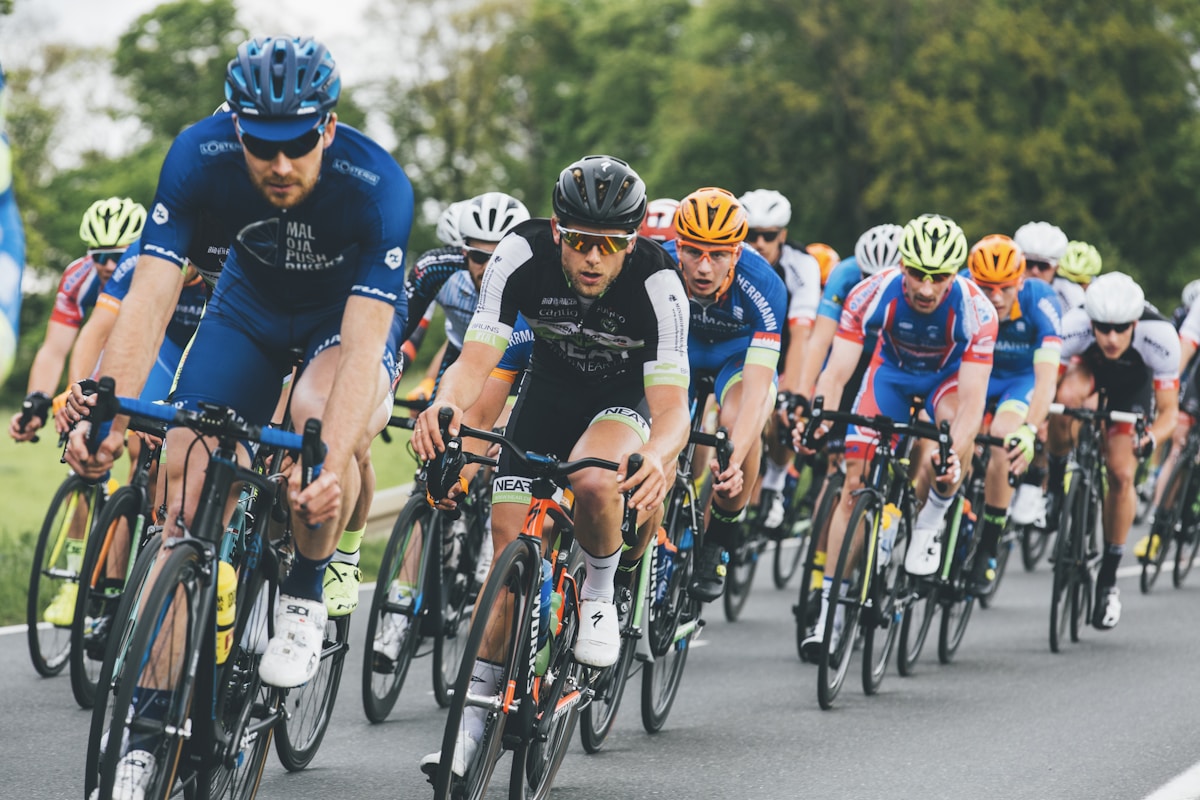
But what is MTB body armor, exactly? In essence, it’s protective gear designed to reduce injury when you fall — and on mountain bikes, falls are not hypothetical. But it’s much more than impact protection. Good armor changes how you ride. There’s a measurable difference in commitment and confidence when you know your knees and elbows have real protection behind them.
Types of MTB Body Armour
The protection category you need depends heavily on how aggressively you ride:
- Helmets: Head protection — the one piece that’s non-negotiable regardless of riding style
- Knee Pads: Protect the knee cap and surrounding tissue — gets used constantly on trail bikes
- Elbow Guards: Less frequently needed but important for technical or downhill riding
- Chest and Back Protectors: Essential for downhill and enduro racing; optional for trail
- Gloves: Hand protection — not just grip, actual palm and knuckle protection in falls
- Neck Braces: For high-speed downhill — specialized gear for specific high-risk contexts
Helmets
Full-face helmets cover the chin and face — required for bike park riding and downhill racing, overkill for general trail riding. Half-shell helmets (sometimes called open-face or trail helmets) are the standard for cross-country and trail — they cover the skull and often extend further at the back than a road helmet. Make sure it meets MIPS or similar rotational impact protection standards. Fit matters: a helmet that moves around your head in a crash isn’t doing its job.
Knee Pads
I’m apparently someone who crashed without knee pads exactly once before making them standard equipment, and soft-shell pads work for me while hard-shell pads always felt too bulky until I tried riding proper downhill terrain. Soft pads (flexible foam and fabric construction) are comfortable enough to forget you’re wearing them — good for trail and XC. Hard-shell pads add a rigid outer layer for higher-impact protection — worth the added bulk for technical descents and bike park use.
Elbow Guards
Similar soft vs. hard-shell choice as knee pads. Most trail riders opt for soft-shell elbow protection — it’s unobtrusive and handles the majority of trail falls adequately. Downhill and enduro racers tend toward hard-shell for the higher-consequence terrain. The key fit consideration: the cup needs to sit over the elbow point, not migrate up your arm when you bend and extend.
Chest and Back Protectors
Chest and back protectors are lightweight armor vests that protect the spine and ribcage. Downhill and enduro riders who spend time on courses with significant consequence if something goes wrong should be wearing these. They’ve improved dramatically in breathability — the versions from five years ago that felt like wearing a plastic shell are largely gone. Look for CE Level 1 or Level 2 certification depending on how demanding your terrain is.
Gloves
MTB gloves with padded palms and knuckle guards are a significant step up from bare hands or road cycling gloves. The knuckle protection specifically changes what happens when you catch yourself in a fall — the difference is worth the cost. They also improve grip on rough terrain when your hands get sweaty.
Neck Braces
Neck braces are specialized gear for downhill and high-consequence riding — they work by limiting extreme flexion and extension in crashes. They require compatibility with your helmet and proper fitting. This isn’t everyday trail riding gear; it’s for riders regularly tackling courses where high-speed crashes are a realistic scenario.
Benefits of Wearing MTB Body Armour
That’s what makes body armor endearing to riders who commit to wearing it — it changes your risk calculus. Riders who feel protected tend to ride more smoothly and commit to technical sections more fully, which paradoxically often leads to fewer falls than hesitant, unsure riding. The safety benefit is obvious; the performance benefit is less discussed but equally real.
Choosing the Right MTB Body Armour
Riding Style First
Downhill and enduro riding demands more robust protection — hard-shell pads, full-face helmet, back protector. Cross-country riders can get away with softer, lighter protection. Trail riding sits in between; most trail riders end up with a half-shell helmet, soft-shell knee pads, and gloves as their standard kit, adding more for harder terrain.
Fit and Comfort
Armor you don’t wear protects nothing. Prioritize fit — pads that migrate, slip, or bunch up during riding become annoying enough that you start leaving them at the car. Adjustable straps and breathable materials are worth paying for. Try gear on before buying if possible; sizing is inconsistent between brands.
Material and Certification
CE certification (EN 1621-1 for limb protection, EN 1621-2 for back protection) means the gear has been tested against defined impact standards. Level 1 offers lower transmitted force protection; Level 2 is stricter. For recreational trail riding, Level 1 is adequate. For racing or high-consequence terrain, Level 2 provides additional assurance.
Budget
Quality protective gear costs money. Prioritize the pieces that matter most for your riding: helmet first, knee pads second for most riders. Add the rest as budget allows. Don’t buy the cheapest option available for head protection — there’s a genuine quality difference at the low end that isn’t worth optimizing around.
Maintenance and Care
Most armor can be hand-washed with mild soap. Check the manufacturer’s instructions — some foam materials degrade with certain cleaning agents. Inspect pads periodically for foam compression, cracked shells, and worn straps. Foam that’s been compressed by a significant impact should be replaced, even if it looks intact — it may not absorb the next one as effectively.
MTB body armor is gear you buy hoping you never need it fully, while knowing that the day you do need it, you’ll be very glad you have it. Build your kit starting with the pieces most relevant to your riding, wear it consistently, and replace it when it shows signs of wear or after significant impacts.


Stay in the loop
Get the latest cyclingfan.org updates delivered to your inbox.