Power Meters: Do You Need One?
Power meters measure your actual output in watts. Unlike heart rate, which lags and varies with fatigue, heat, and caffeine, power is immediate and objective. You’re either putting out 200 watts or you’re not.
Who Actually Needs One
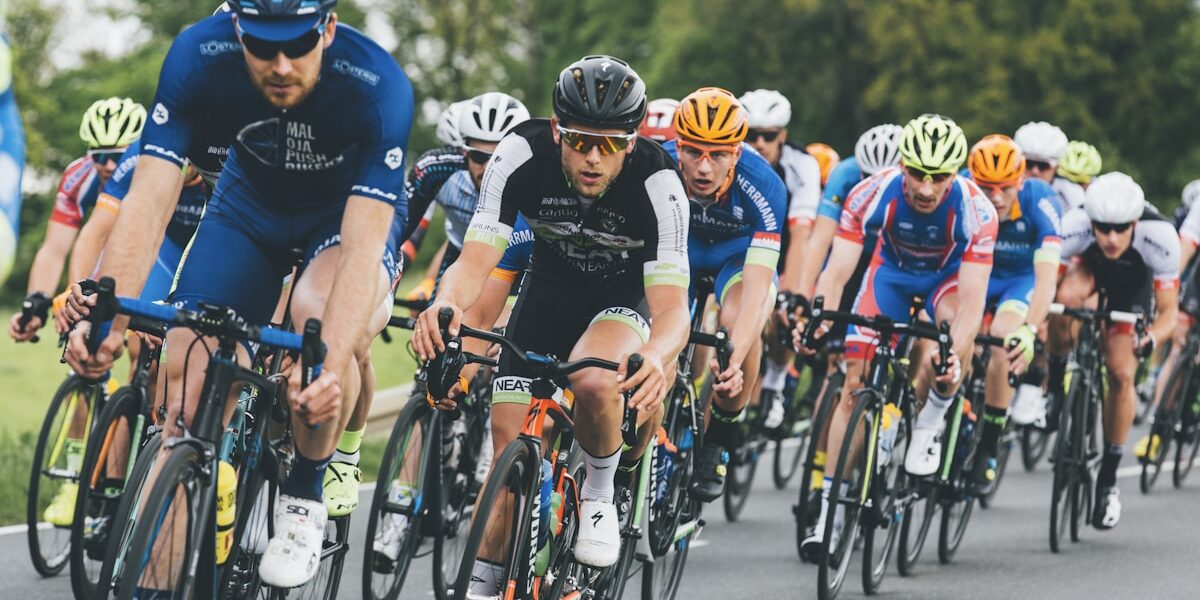
Racers and serious trainers who want to optimize every workout. People who train with structure – intervals, threshold work, specific power targets.
Casual riders who just want to enjoy cycling? Skip it. Your money is better spent elsewhere.
Types of Power Meters
Pedal-based (Garmin Vector, Favero Assioma): Easy to swap between bikes. Dual-sided measures each leg separately. Installation is just swapping pedals.
Crank-based (Stages, 4iiii): Attaches to crank arm. Usually single-sided (left side only, doubles the reading). Affordable entry point.
Spider-based (Quarq, Power2Max): In the crankset spider. Accurate but more expensive. Integrated look.
Hub-based (PowerTap): In the rear hub. Reliable but stuck to one wheel. Less popular now.
What You’ll Pay
Single-sided crank options start around $300-400. Dual-sided pedals run $600-1000. High-end spider units can hit $1500+.
For most people, a single-sided crank power meter is plenty accurate enough and won’t break the bank.
Using the Data
Power meters are useless without context. You need to know your FTP (Functional Threshold Power) – roughly the power you can sustain for an hour.
Training zones are percentages of FTP. Zone 2 for endurance, threshold work near FTP, VO2 max intervals above it. Software like TrainingPeaks or Intervals.icu helps analyze and plan.
The Reality Check
A power meter won’t make you faster by itself. It’s a measurement tool. You still have to do the work. And if you’re not following a structured plan, the data just becomes numbers you look at.
Get one if you’re serious about training with purpose. Otherwise, ride by feel and save your money for tires and beer.


Stay in the loop
Get the latest cyclingfan.org updates delivered to your inbox.