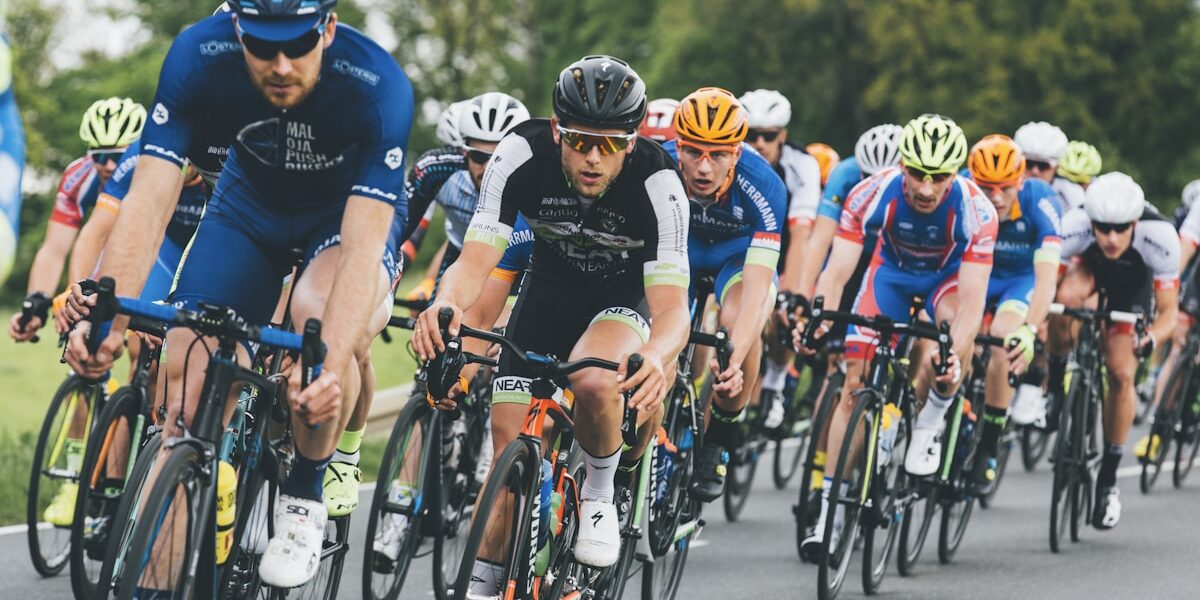
Night Riding Lights: Don’t Buy Junk (I Learned the Hard Way)
My first mountain bike light was a $30 Amazon special. It died mid-ride on a trail I didn’t know well. Spent an hour walking out by phone flashlight. Never again.
Night riding is incredible once you have the right setup. Here’s what actually matters.
How Bright Is Bright Enough?
Lumens get thrown around a lot. Here’s a rough guide:
- 500 lumens: Okay for well-lit bike paths. Not enough for trails.
- 1000-1500 lumens: Good for moderate singletrack at reasonable speeds.
- 2000+ lumens: What you want for fast riding or technical terrain.
But raw lumens aren’t everything. Beam pattern matters as much. A focused spotlight might be 2000 lumens but leave your peripheral vision dark. You want a mix of throw (seeing far ahead) and flood (seeing the ground right in front).
Bar Light vs. Helmet Light
Best setup: both.
Bar light provides consistent illumination of the trail ahead. It doesn’t move when you look around, which is less disorienting. But it creates shadows that make bumps and roots hard to judge.
Helmet light points wherever you look. When you scan through a corner, the light follows. And it eliminates those confusing shadows because the light angle changes. The tradeoff is it can disorient you if you’re glancing around a lot.
Running both – bar light for main illumination, helmet light for shadows and where you’re looking – is the gold standard. If you can only afford one, start with a bar light.
Brands Worth Considering
Light & Motion: High-end stuff, bright and reliable. The Seca series is popular for serious night riders. Expensive but built to last.
NiteRider: Solid mid-range options. Good battery life and durability. The Lumina series offers good value.
Lezyne: Good build quality, some models connect to your phone which is handy for monitoring battery. Nice balance of features and price.
Cheap Amazon lights can work for occasional use, but battery life claims are often lies, and they tend to die at the worst possible times.
Battery Reality
Manufacturer battery claims are based on lowest settings. On high (which you’ll want for actual trail riding), expect maybe half the stated time.
For a 2-hour ride, I want a light rated for at least 4 hours. Running low on battery mid-ride means finishing slow and sketchy, or worse, walking out in the dark.
Some tips:
- Charge before every ride – don’t trust “I think it’s still got juice”
- Carry a backup headlamp even if it’s weak – walking out by dim light beats walking out by phone
- In cold weather, battery life drops significantly
Don’t Forget the Rear
If any part of your ride is on roads, you need a rear light. Even on trails, if there’s any chance of cars or other riders, be visible. A bright, blinking rear light takes five seconds to mount and could prevent disaster.
Making It Work
Night riding takes some adjustment. Start on trails you know well so you can focus on adapting to the light instead of navigating. Ride a bit slower until your brain adjusts to judging terrain by artificial light. And make sure your lights are charged – this seems obvious but I’ve made the mistake more than once.
Once you get comfortable, night riding opens up a whole different experience. Trails you’ve ridden a hundred times feel brand new. It’s worth getting the lighting right.
Recommended Cycling Gear
Garmin Edge 1040 GPS Bike Computer – $549.00
Premium GPS with advanced navigation.
Park Tool Bicycle Repair Stand – $259.95
Professional-grade home mechanic stand.
As an Amazon Associate, we earn from qualifying purchases.

Stay in the loop
Get the latest cyclingfan.org updates delivered to your inbox.