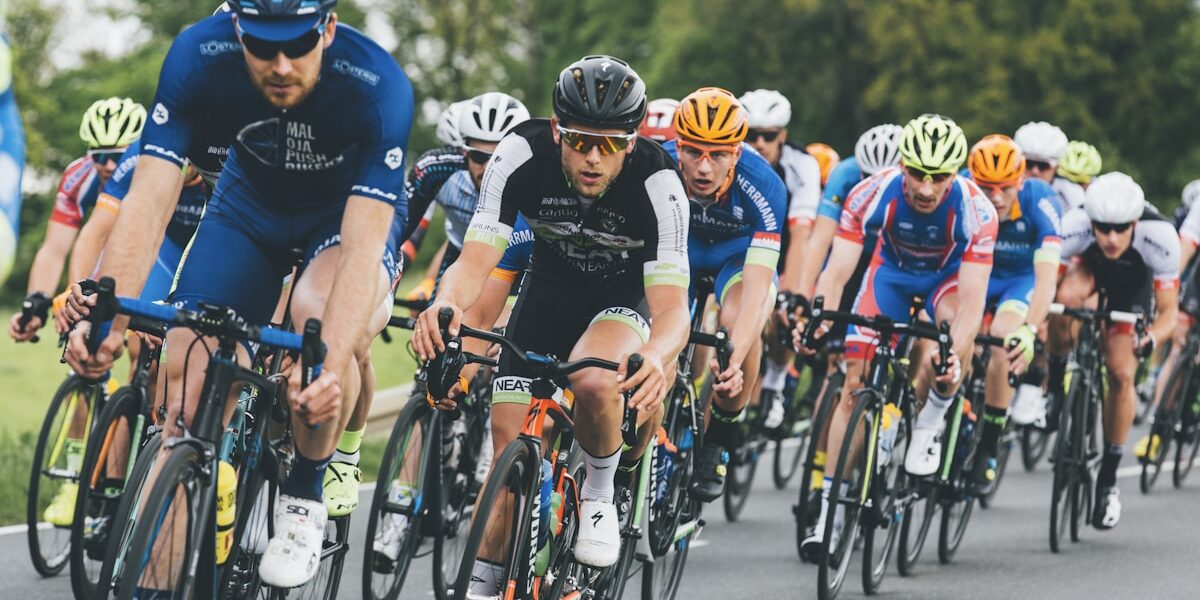
Cycling Glasses: More Than Just Looking Fast
I used to think cycling glasses were about aesthetics. Then I took a bug to the eyeball at 25 mph. After that, I took glasses seriously.
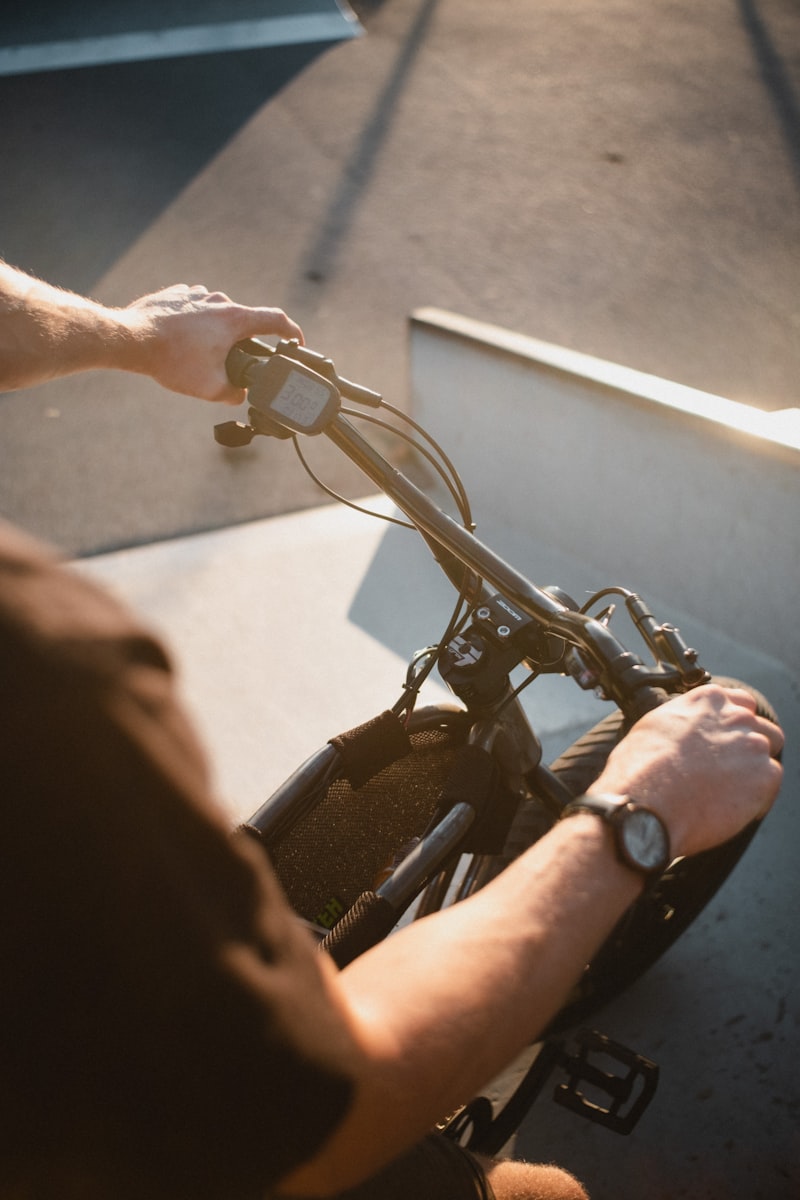
Here’s what I’ve learned after trying way too many pairs.
What You’re Actually Protecting Against
- Debris – bugs, gravel, dust, whatever gets kicked up
- Wind – constant wind dries out your eyes and causes tearing
- UV – long-term sun exposure causes real damage
- Glare – makes it harder to see road hazards and judge terrain
A good pair of cycling glasses handles all of these. Cheap sunglasses might block UV but leave gaps where wind and debris get in.
Lens Types That Actually Matter
Clear/low-light lenses: For dawn, dusk, overcast days, or night riding. More useful than you’d think.
Photochromic lenses: Darken automatically in bright conditions and lighten when it’s dim. One lens for everything. Slower to adjust than you’d like, but incredibly convenient.
Polarized lenses: Cut glare from wet roads and water. Downside: they can make it hard to see your phone or bike computer screen.
Mirror/dark lenses: For bright, sunny days. Less useful than photochromic unless conditions are consistently bright.
If you’re only getting one pair, photochromic is the way to go. Versatility beats optimization.
Fit Is Everything
Glasses that don’t fit slide down when you’re sweating, bounce on rough roads, or create pressure points that get painful over long rides.
Look for:
- Adjustable nose pieces (rubber is better than hard plastic)
- Temple tips that grip but don’t squeeze
- Ventilation to prevent fogging
- Coverage that blocks wind from all angles, including peripherally
Different brands fit different face shapes. What works for one person might be terrible for another. Try them on if possible.
Brands I’ve Had Good Luck With
Oakley: The default choice for good reason. Sutro and Jawbreaker models offer great coverage. Expensive but durable. Lens quality is excellent.
100%: The Speedcraft is popular in the pro peloton. Good coverage, solid lens options. Slightly cheaper than Oakley.
Tifosi: Budget-friendly with surprisingly good quality. Not as refined as premium brands but perfectly functional. Great if you’re hard on glasses.
Smith: The mag system for lens swapping is genuinely convenient. Attack Max is a solid option.
Don’t Overthink It
Here’s the honest truth: any decent cycling-specific glasses are a massive upgrade over regular sunglasses or nothing at all. They wrap closer to your face, stay put better, and offer more protection.
The difference between a $50 pair and a $200 pair is real but marginal. Better optics, slightly lighter weight, more lens options. Worth it if you ride a lot. Not necessary if you’re just getting started.
Get something that fits, covers your eyes fully, and has at least one lens suitable for your typical riding conditions. Everything else is refinement.
Recommended Cycling Gear
Garmin Edge 1040 GPS Bike Computer – $549.00
Premium GPS with advanced navigation.
Park Tool Bicycle Repair Stand – $259.95
Professional-grade home mechanic stand.
As an Amazon Associate, we earn from qualifying purchases.

Stay in the loop
Get the latest cyclingfan.org updates delivered to your inbox.