
Cycling has gotten complicated with all the gear and training methods flying around. As someone with extensive cycling experience, I learned everything there is to know about this topic. Today, I will share it all with you.
The Cold Hands Problem (And How to Actually Solve It)
Nothing ruins a ride faster than frozen fingers. You lose feel for the brakes, shifting gets clumsy, and by the time you’re 30 minutes in, you’re just counting down until you can go home and thaw out.
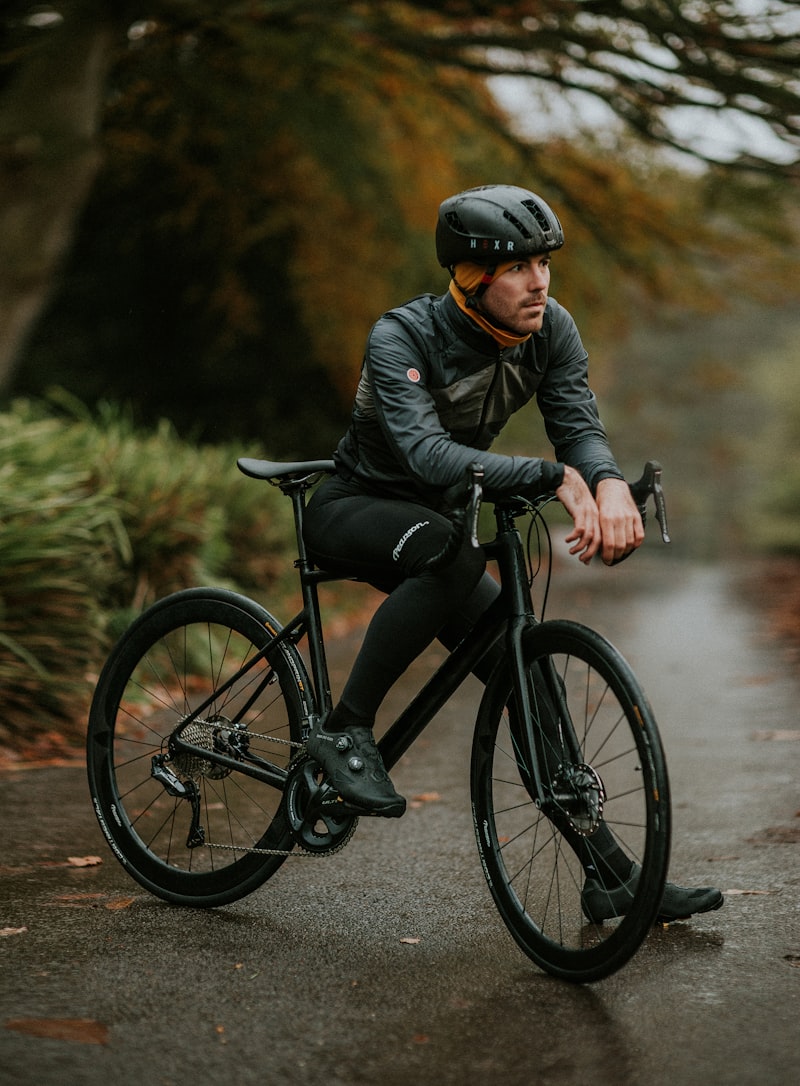
I’ve gone through probably a dozen pairs of gloves trying to solve this. Here’s what I’ve figured out.
Waterproof vs. Water-Resistant: It Actually Matters
Most gloves marketed as “waterproof” are really just water-resistant. They’ll handle light drizzle for maybe 20 minutes before moisture starts seeping through. True waterproof gloves use membranes like Gore-Tex that keep water out no matter how long you’re in the rain.
The catch? Truly waterproof gloves tend to make your hands sweaty. It’s a tradeoff – either moisture comes in from outside or it builds up from the inside. The best gloves manage both, but they’re usually $70+.
What I Look For Now
After a lot of trial and error:
- Long cuffs that tuck into jacket sleeves – This prevents water from running down your arms and into your gloves, which is somehow worse than rain directly on your hands
- Actual grip material on the palms – Wet handlebars are slippery; silicone dots or textured leather helps
- Snug fit without being tight – Loose gloves bunch up and trap cold air; tight gloves cut circulation and make your fingers colder
- Touchscreen fingertips that actually work – Half the ones I’ve tried don’t really work, especially when wet
The Brands That Have Worked for Me
Castelli Perfetto gloves are my go-to for cool, damp days. They’re not fully waterproof, but they handle spray and light rain well and don’t overheat when it’s above 45 degrees.
For proper rain, I use Sealskinz. They’re bulkier and you lose some bar feel, but they actually keep water out. I’ve done 3-hour rides in steady rain and my hands stayed dry.
Gore Wear makes good stuff too, but they run expensive. If you’re racing or riding a lot, worth it. For casual wet-weather riding, there are cheaper options that work fine.
The Temperature Problem
Here’s something that took me way too long to learn: you need different gloves for different conditions. There’s no perfect all-weather glove.
- 50°F and raining: Lightweight waterproof, maybe just water-resistant
- 40°F and wet: Insulated waterproof with a membrane
- Below 35°F: Lobster-style mittens or thick insulated gloves – dexterity matters less than warmth at this point
I keep three pairs in rotation depending on conditions. Overkill? Maybe. But my hands don’t go numb anymore.
Taking Care of Them
Wet gloves left in a gym bag will start to stink and the waterproofing breaks down faster. After a wet ride, turn them inside out and let them air dry somewhere with decent airflow. Every few weeks, wash them gently and consider reapplying a DWR spray if water stops beading up on the surface.
And don’t put them in the dryer. Learned that one the hard way – the heat destroyed the membrane in my favorite pair.
Worth the Investment?
Good waterproof gloves cost $50-80, which feels like a lot until you’ve done a ride with frozen hands. If you’re commuting year-round or training through winter, they’re essential. Even for fair-weather riders, having one solid pair means you won’t skip a ride just because there’s rain in the forecast.
Recommended Cycling Gear
Garmin Edge 1040 GPS Bike Computer – $549.00
Premium GPS with advanced navigation.
Park Tool Bicycle Repair Stand – $259.95
Professional-grade home mechanic stand.
As an Amazon Associate, we earn from qualifying purchases.


Stay in the loop
Get the latest cyclingfan.org updates delivered to your inbox.