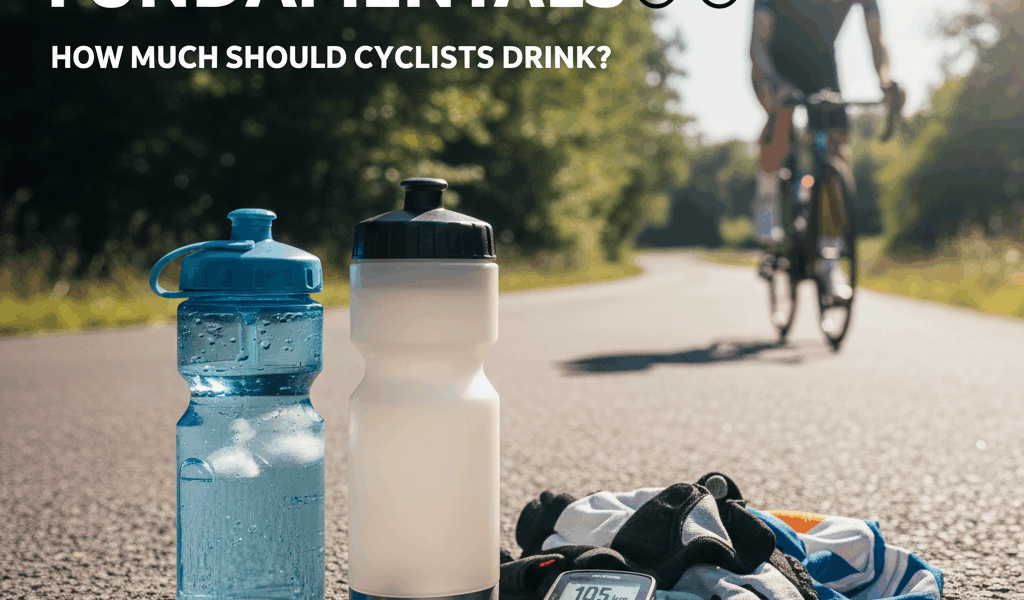
Hydration Fundamentals: How Much Should Cyclists Drink?
As someone who’s bonked on a summer century ride because I forgot my second bottle, I learned everything there is to know about hydration the hard way. Turns out dehydration tanks your power faster than tired legs or even running out of glycogen. Even being a little under-hydrated — like two percent of body weight — makes everything harder. Your watts drop, your brain gets foggy, and suddenly every hill feels twice as steep.
The Basic Guidelines
For a steady ride at moderate effort, you’re looking at roughly one standard bottle per hour. When it’s hot or you’re really pushing it, bump that up to a bottle and a half, maybe even two per hour. And don’t wait until you’re thirsty — by the time your brain says “I need water,” you’re already behind the curve and your performance has already taken a hit. I set a mental timer to drink every fifteen to twenty minutes regardless of how I feel.
Everyone’s different, though. I’ve ridden with guys who barely sweat and others who look like they just climbed out of a pool after thirty minutes. Body size matters, fitness level plays a role, and some people are just heavy sweaters genetically. Pay attention to what your body’s telling you and adjust over a few rides until you dial it in.
Recognizing Dehydration Signs
Quickest check? Your urine color. Pale yellow is the goal — if it’s dark like apple juice, you’re already behind on fluids. Headaches during or after rides are another red flag, along with unusual fatigue that doesn’t match your effort level. And those leg cramps that hit during hot weather rides? Usually a combination of dehydration and electrolyte depletion rather than just “pushing too hard.”
Beyond Plain Water
For shorter rides under an hour, plain water is totally fine. But once you’re out for longer, you’re losing electrolytes through sweat — sodium especially, plus potassium and magnesium. Plain water alone won’t replace those, and if you’re only drinking water on a three-hour ride, you might actually dilute your electrolyte levels further.
Electrolyte tablets are what I use most often — just drop one in your bottle and go. Sports drinks work too, though some are basically sugar water with marketing. Some riders mix up their own solution with a pinch of salt and some juice. The main thing is figuring out what your stomach tolerates at effort, because what tastes great in the kitchen might revolt your gut at threshold pace. Test this stuff in training, not on race day.
Pre-Ride Preparation Matters
Probably should have led with this section, honestly. Starting a ride already dehydrated is setting yourself up for a bad time. Drink about 16 ounces of water a couple hours before you kit up. That gives your body enough time to absorb what it needs and send the rest to your bladder so you’re not stopping for a nature break ten minutes into the ride.
Post-Ride Recovery Hydration
Here’s a neat trick I picked up: weigh yourself before and after longer rides. Each pound you’ve lost is roughly 16 ounces of fluid you need to replace. Don’t try to chug it all at once though — spread it out over a few hours. Your body absorbs fluid better in smaller amounts anyway.
Good hydration is honestly one of those things that’s annoyingly simple but makes a massive difference. Once you start paying attention to it consistently, you’ll notice your rides feel better, your recovery speeds up, and those random mid-ride energy crashes happen a lot less often. Worth the effort of carrying an extra bottle, I promise.



Stay in the loop
Get the latest cyclingfan.org updates delivered to your inbox.