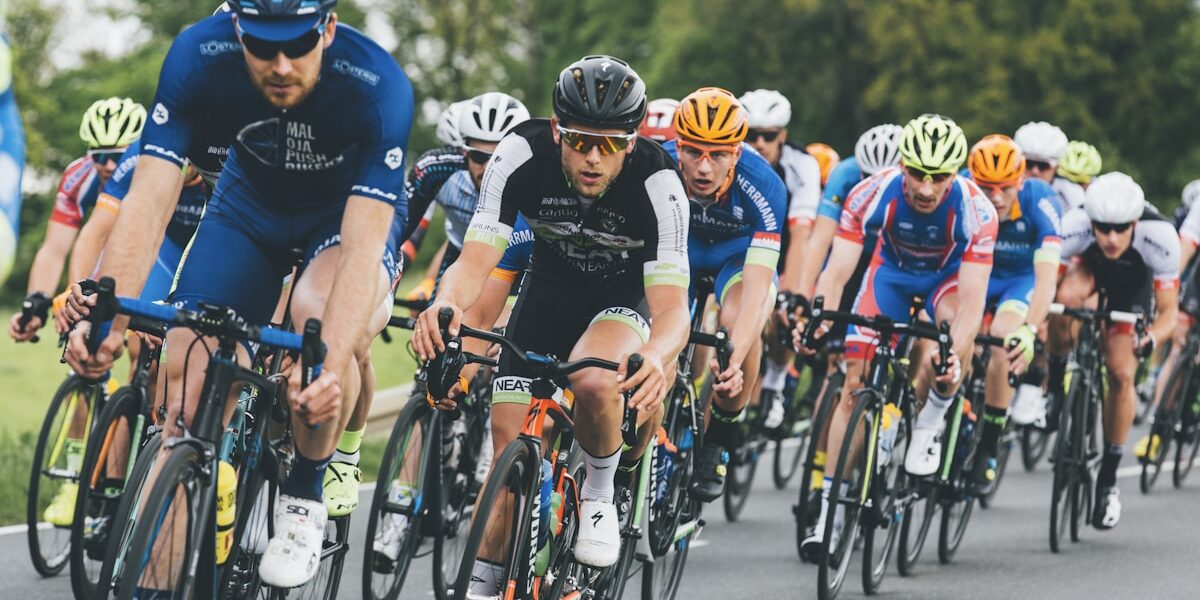
Cycling has gotten complicated with all the gear and training methods flying around. As someone with extensive cycling experience, I learned everything there is to know about this topic. Today, I will share it all with you.
What Bike Should You Buy?
This is the question I get asked most. And the honest answer is: it depends on what you’re actually going to do with it.
Road Bikes
Built for speed on pavement. Drop handlebars, skinny tires, lightweight. If you want to ride fast on roads or do group rides, this is your category.
Tradeoff: not comfortable for casual riding, terrible on anything other than smooth pavement.
Mountain Bikes
Built for trails and rough terrain. Fat tires with knobs, suspension forks (sometimes rear suspension too), upright position. If you’re hitting trails, this is what you need.
Tradeoff: heavy and slow on pavement. The knobby tires create drag on roads.
Hybrid/Fitness Bikes
The compromise option. Flat handlebars like a mountain bike, but with smoother tires like a road bike. Good for casual riding, commuting, bike paths.
Tradeoff: not great at anything specific. Too slow for road riding, not capable enough for real trails.
Gravel Bikes
Drop bars like a road bike but with clearance for wider tires. Built for mixed terrain – pavement, gravel roads, light trails. Increasingly popular because they’re versatile.
Tradeoff: heavier than road bikes, less capable than mountain bikes. Jack of all trades.
E-Bikes
Any of the above with a motor. Makes hills easier, extends range, good if you have a long commute or want to keep up with faster friends.
Tradeoff: heavy, expensive, battery management, and some people will give you attitude about it (ignore them).
How to Actually Choose
Think about what you’ll realistically do 80% of the time:
- Mostly roads and bike paths? Hybrid or road bike.
- Trail riding? Mountain bike.
- Mix of everything? Gravel bike.
- Short urban trips? Maybe a folding bike.
- Commuting in normal clothes? Something with fenders and a rack.
Don’t buy for the ride you might do someday. Buy for the ride you’ll actually do most.
Budget Matters
Around $500-800 gets you a solid entry-level bike in any category. Below that, quality drops fast. Above $1500, you’re paying for performance gains most riders won’t notice.
Used bikes are great if you know what to look for or bring someone who does. You can get a lot more bike for your money.
Fit Matters More Than Brand
A properly sized bike from a lesser brand beats a name brand that doesn’t fit. Test ride if possible. A bike shop can help you find the right size – that’s worth paying a little extra for compared to ordering blind online.


Stay in the loop
Get the latest cyclingfan.org updates delivered to your inbox.