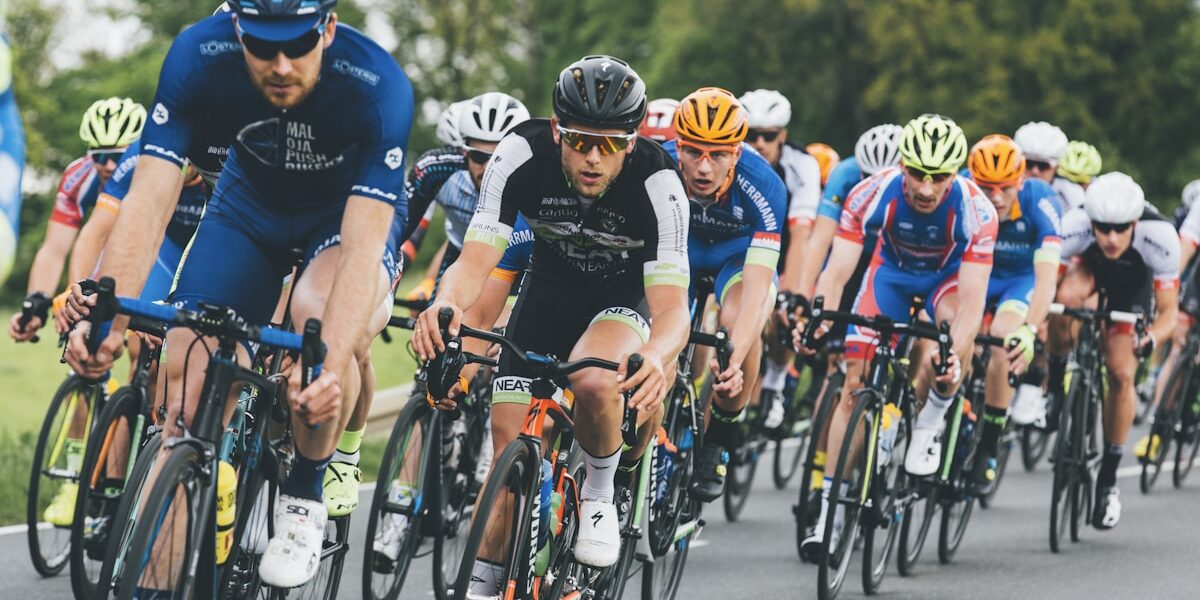
The Fastest Road Bikes for Cyclists
Fastest road bike discussions have gotten tangled up with marketing claims and spec-sheet comparisons that don’t always translate to real-world speed. As someone who has ridden a fair number of these machines and obsessed over the numbers, I’ll tell you what actually moves the needle — and which bikes deliver it.
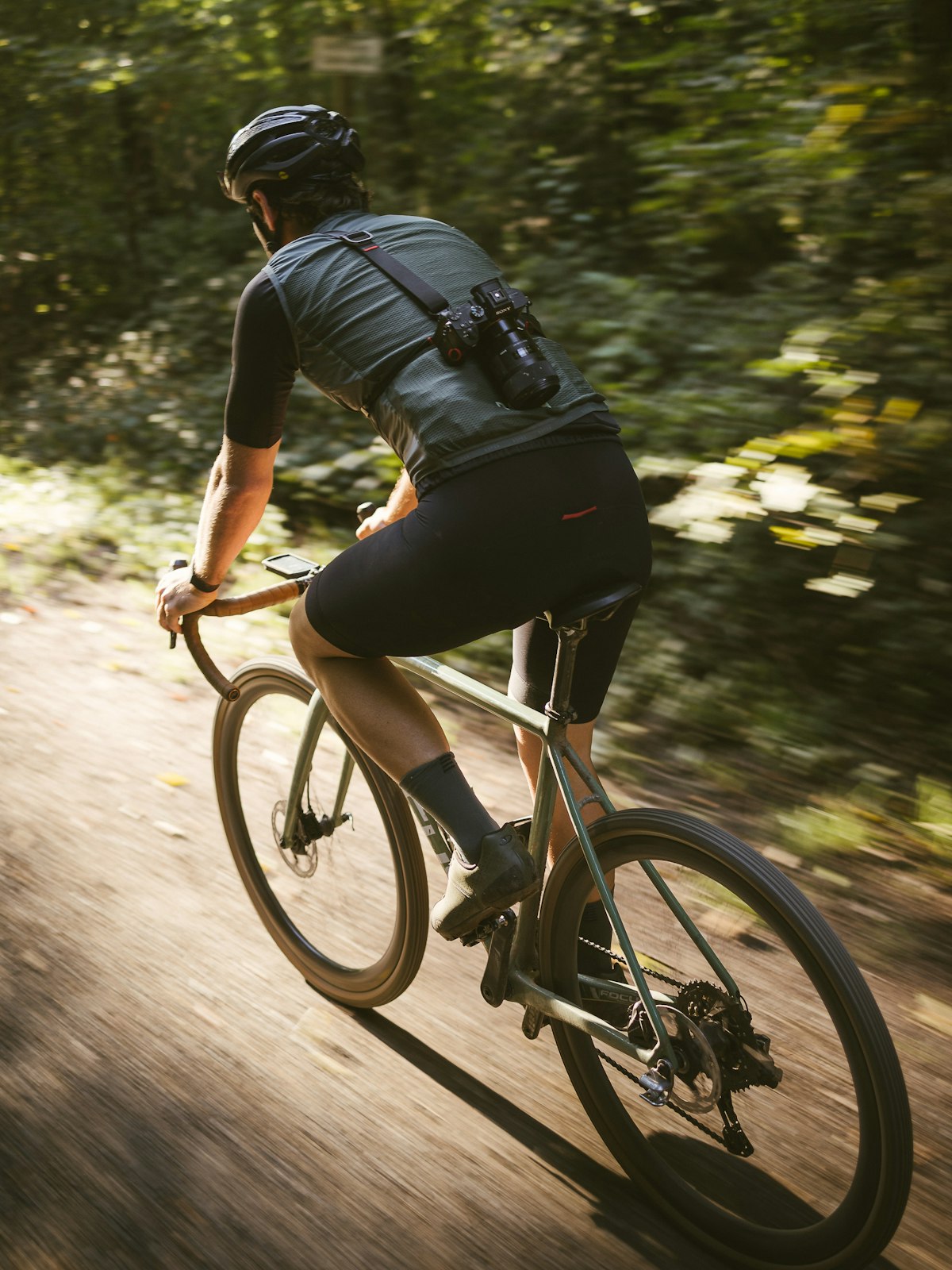
Frame Material
The frame sets the ceiling for everything else. Three materials dominate the conversation:
- Carbon Fiber: The choice for any serious performance build. Light, stiff where it needs to be, and shaped into aerodynamic profiles that aluminum and titanium can’t match. Most fast road bikes are carbon, full stop.
- Aluminum: Lighter than steel and cheaper than carbon, aluminum still builds into genuinely fast bikes, especially at mid-range price points. It can’t be shaped into the aerodynamic tube profiles that carbon allows, which is the real limitation rather than weight.
- Titanium: Excellent material, underrated for its ride quality, but rarely appearing at the sharp end of aerodynamic performance. Titanium bikes are fast in a comfortable way, which is a different value proposition than the all-out aero machines.
Aerodynamics
Aerodynamics matter more than frame weight for most riders on flat and rolling terrain. The drag force fighting you at 25 mph is enormous relative to gravitational force, which is why manufacturers spend serious money in wind tunnels. Key elements working together:
- Frame Shape: Teardrop tube cross-sections reduce the turbulent wake behind each tube. Aero frames look distinctly different from round-tube designs — wider, flatter profiles on the down tube and seat tube particularly.
- Integrated Cables: Every cable running externally creates drag. Full internal routing is standard on aero bikes now, contributing to those clean frameset visuals.
- Aero Wheels: Deep-section carbon rims cut through air more efficiently than shallow aluminum wheels. The tradeoff is crosswind sensitivity — 50mm+ rims in gusty conditions require attention.
Wheelset
Wheels are the highest-impact upgrade on most road bikes, which is why bike manufacturers put budget wheels on otherwise excellent frames and why the aftermarket wheel industry is so large. Rotational mass reduction pays double dividends — less weight to accelerate and less weight to maintain speed. Rim depth is a balance: deeper is faster in still air, but shallow is more manageable when the wind turns sideways.
Groupset
The drivetrain and braking system define shifting feel and stopping confidence. At the performance tier:
- Drivetrain: Shimano Dura-Ace, SRAM Red, and Campagnolo Super Record are the three options at the very top. Electronic shifting (Di2, eTap, EPS) offers faster, more consistent shifts under load than mechanical — the difference is noticeable on hard climbs and sprints.
- Brakes: Disc brakes are now standard on performance road bikes. The modulation and all-weather consistency are genuine advantages over rim brakes, and the weight penalty has shrunk as the technology has matured.
Popular Models
Three bikes show up at the front of every serious conversation about fast road bikes:
- Cervélo S5: The S5 is a wind-tunnel-first design that doesn’t apologize for it. Everything from the frame shape to the handlebar integration is optimized for forward velocity. Riders who’ve done back-to-back testing consistently find it faster on flat and rolling terrain.
- Specialized Venge: The Venge defines what a modern aero road bike looks like — integrated handlebars, hidden cables, frame shapes that look more like automotive design than traditional bicycle geometry. Fast and confidence-inspiring at speed.
- Trek Madone: Trek’s combination of lightweight construction and aerodynamic IsoSpeed decoupler design gives the Madone a unique position — fast over flat terrain, comfortable enough over distance that you arrive with energy left to use that speed.
Rider Position
The rider is the biggest aerodynamic object in the system. Even the fastest frame is limited by the body on top of it. Lower handlebar height, narrowed hand position, and a forward-leaning torso all reduce the frontal area that air has to push against. Getting a proper bike fit that achieves an aerodynamic position without causing injury or discomfort is worth every dollar it costs.
Maintenance Tips
A fast bike running poorly is slower than a slower bike running well. Keep the drivetrain clean and lubed — a dirty chain has measurably higher friction resistance. Tire pressure matters: the optimal pressure for speed and comfort is lower than most people run, especially on imperfect road surfaces. Regular component inspection catches wear before it degrades shifting and braking performance.
Frequently Asked Questions
- How much should I spend on a road bike? Genuinely fast bikes start around $3,000-4,000 and scale up from there. The performance improvements above $8,000-10,000 are real but increasingly marginal for non-professional use.
- Can I upgrade my current bike to make it faster? Wheels are the highest-impact upgrade available without changing the frame. A quality carbon wheelset on a good aluminum frame will outperform many full carbon budget bikes. Groupset upgrades to electronic shifting are also meaningful.
- Are aerodynamic bikes worth the investment? For riders spending significant time at speeds above 20 mph on flat terrain, yes. For riders who spend most of their time climbing or on rough surfaces, a lightweight frame may deliver more actual speed gains.


Stay in the loop
Get the latest cyclingfan.org updates delivered to your inbox.